Autor: kerkmann
2026
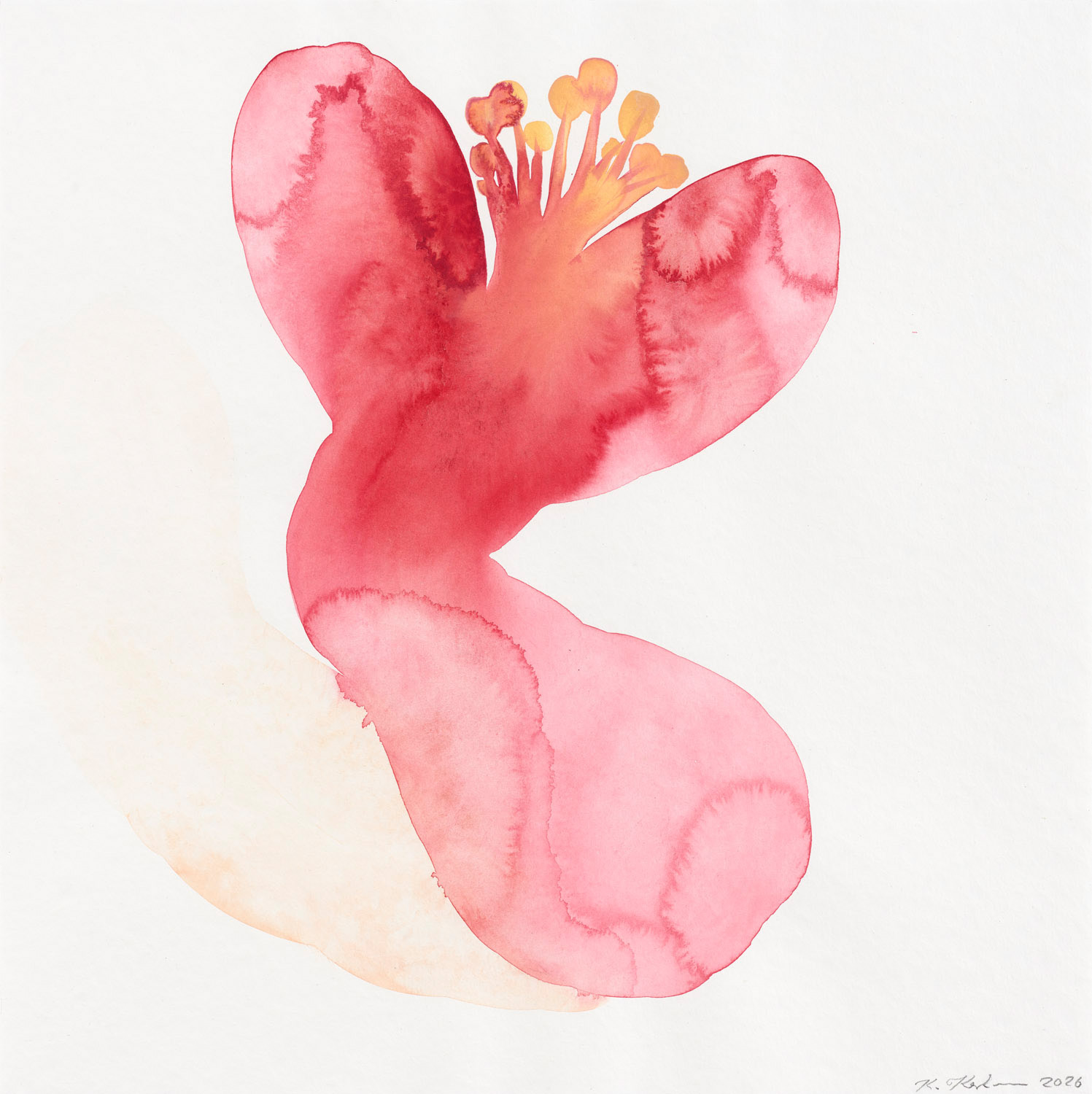
40 x 40 cm
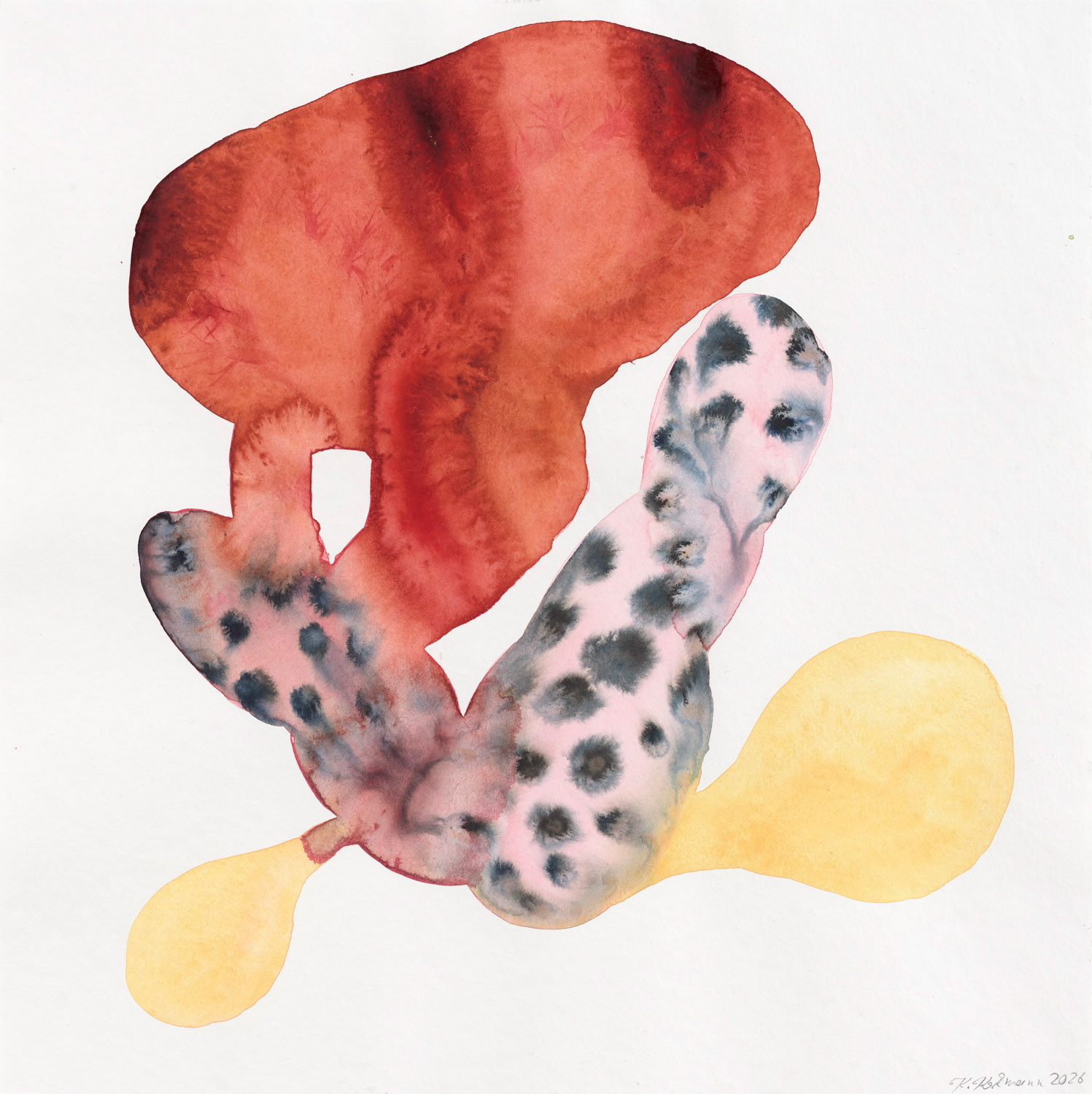
40 x 40 cm
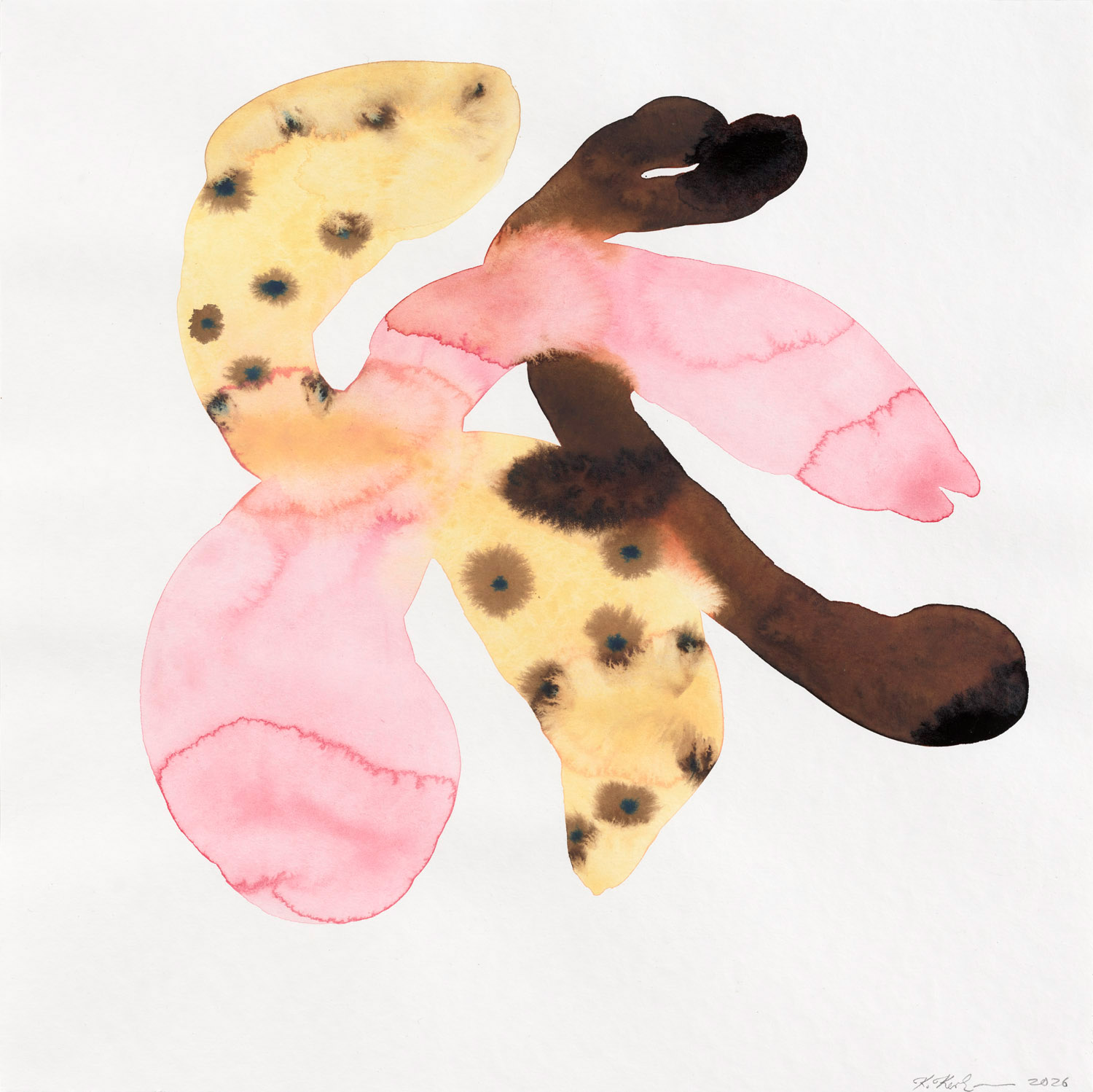
40 x 40 cm
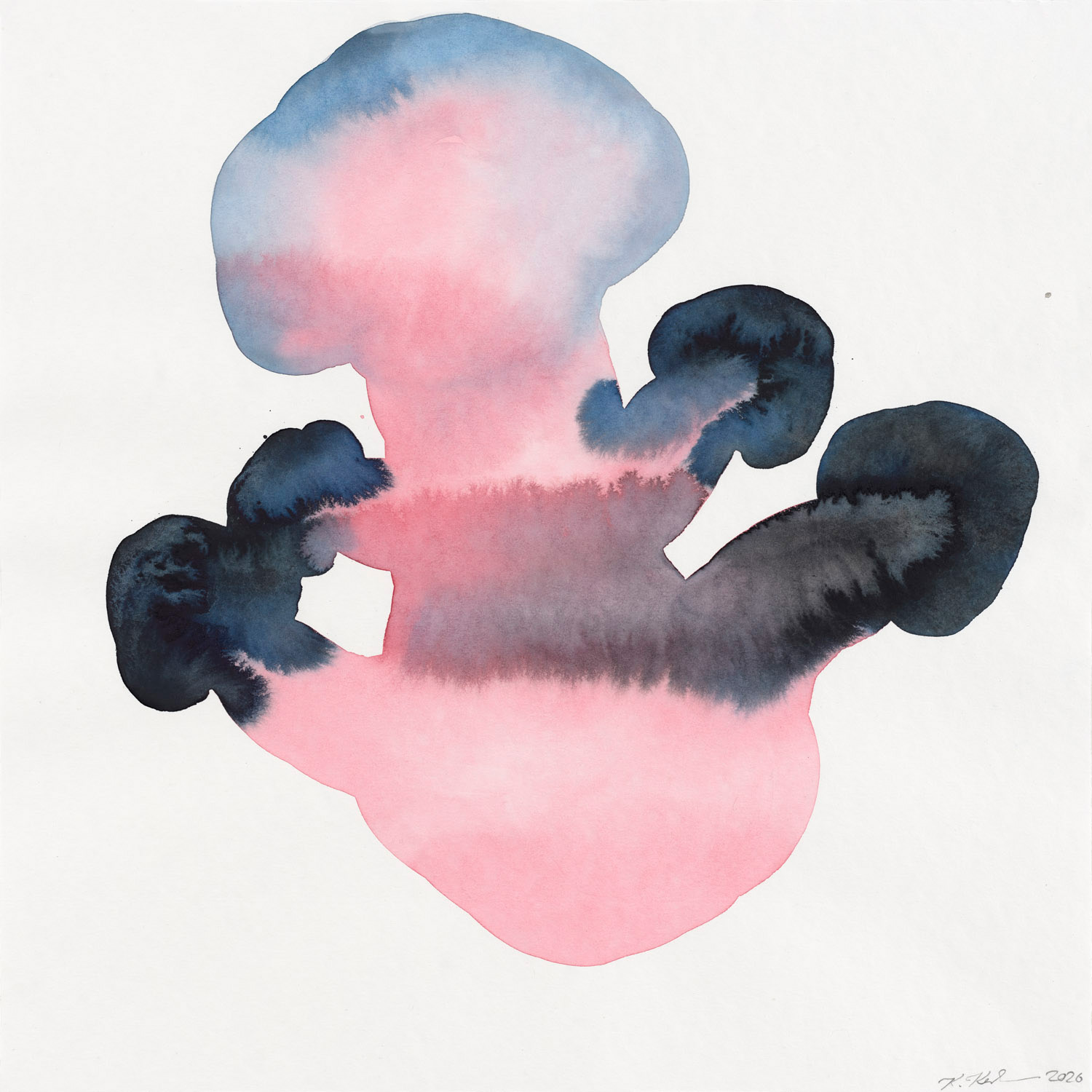
40 x 40 cm
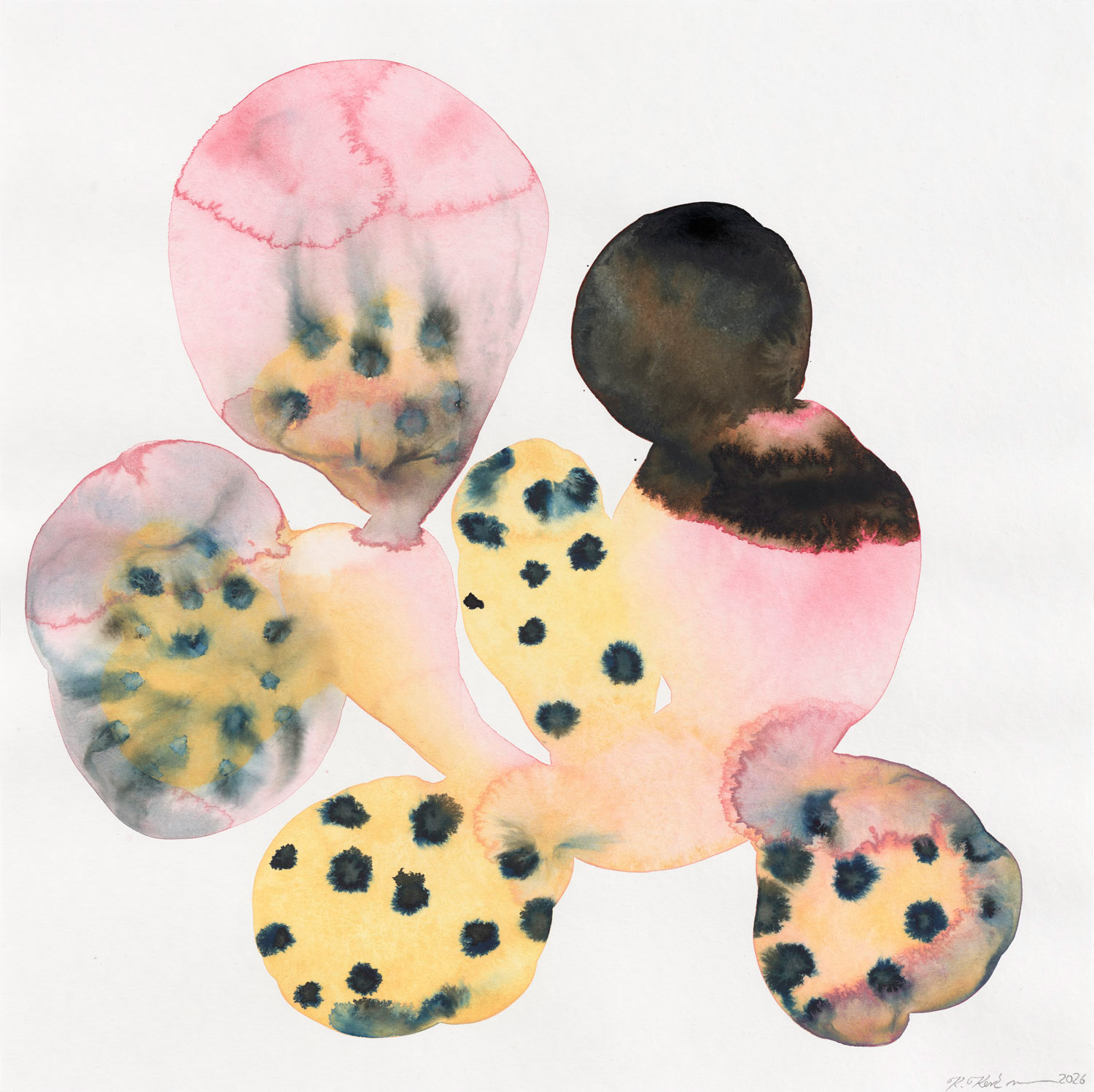
40 x 40 cm
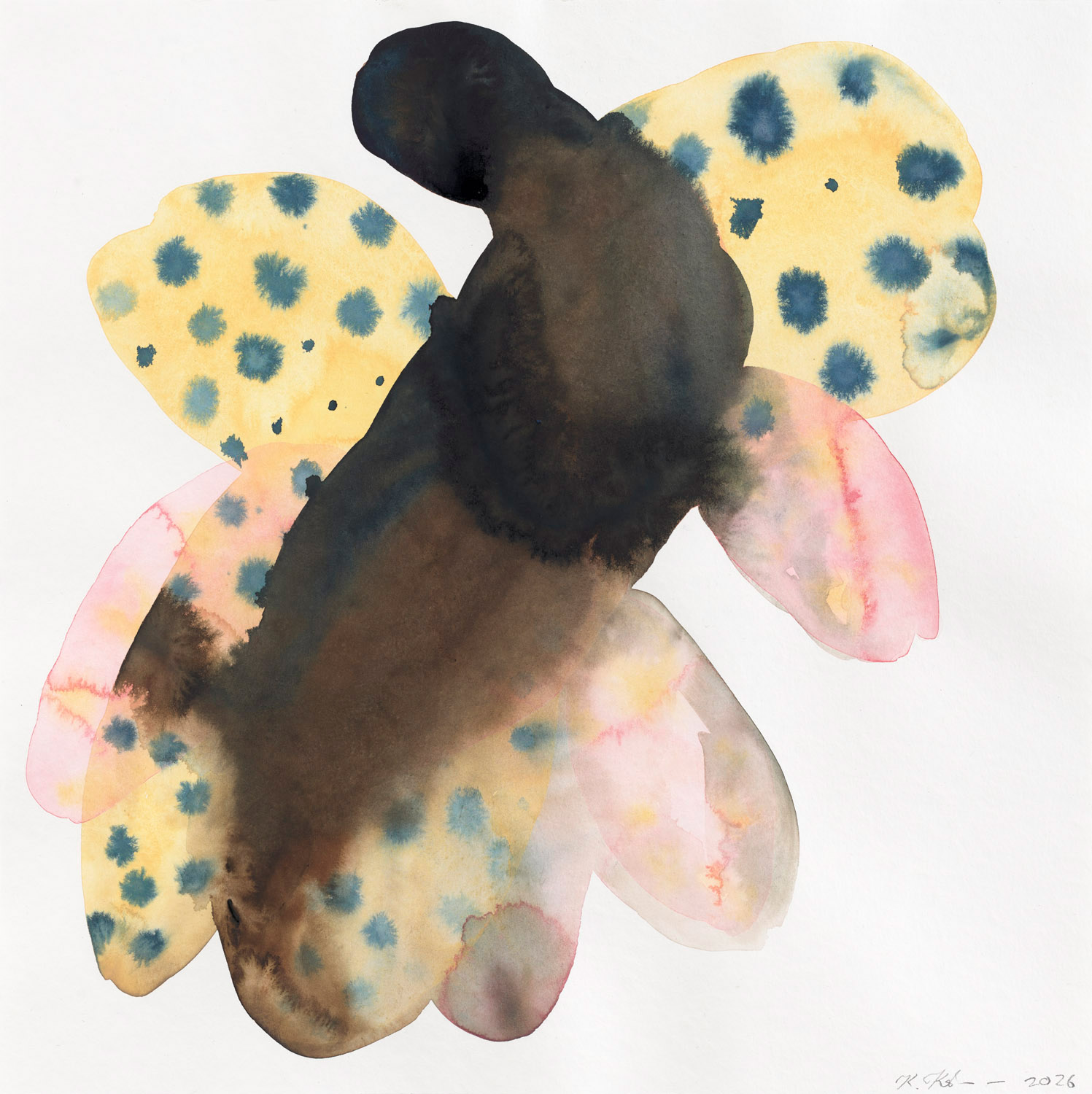
40 x 40 cm

40 x 40 cm
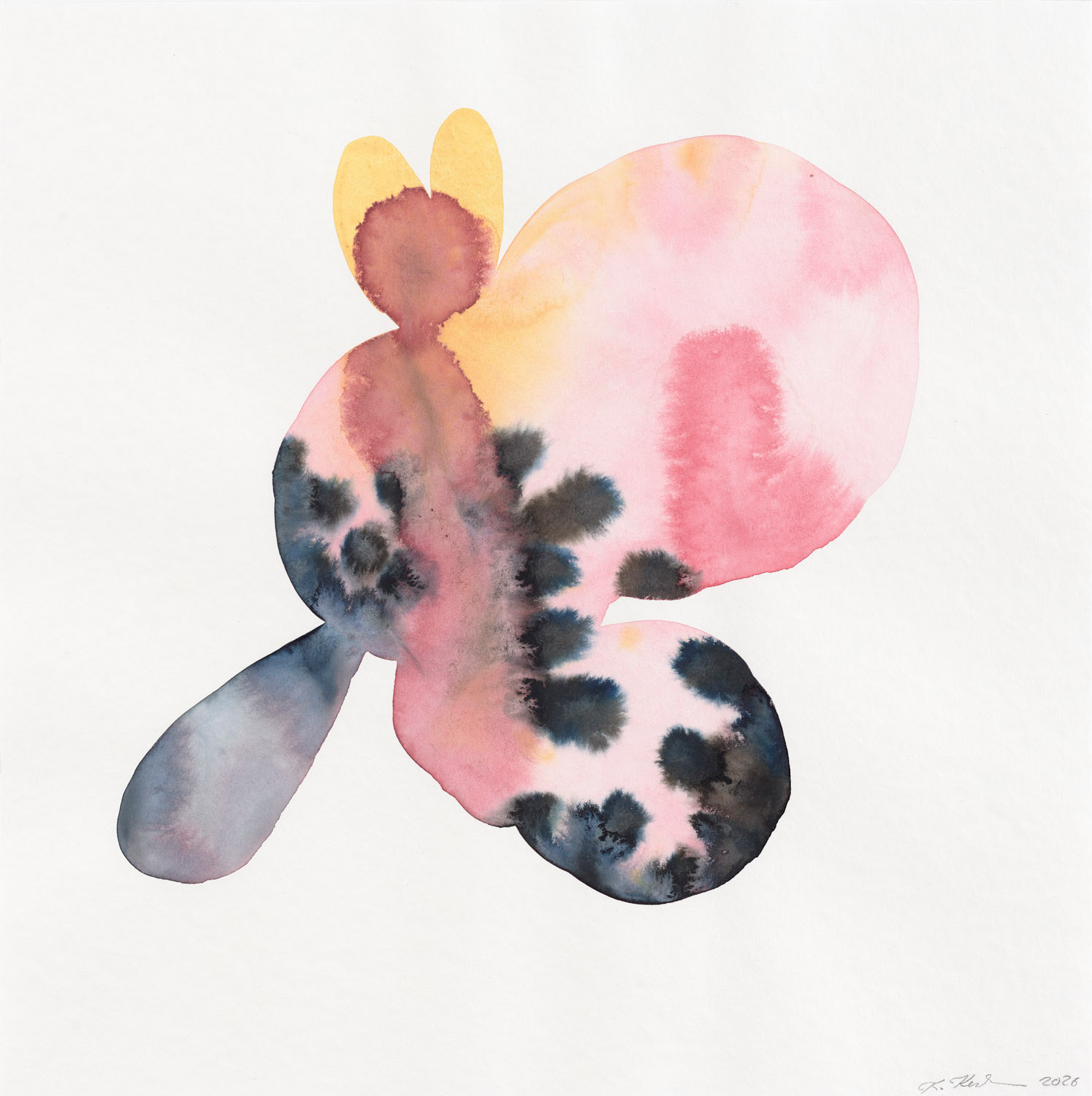
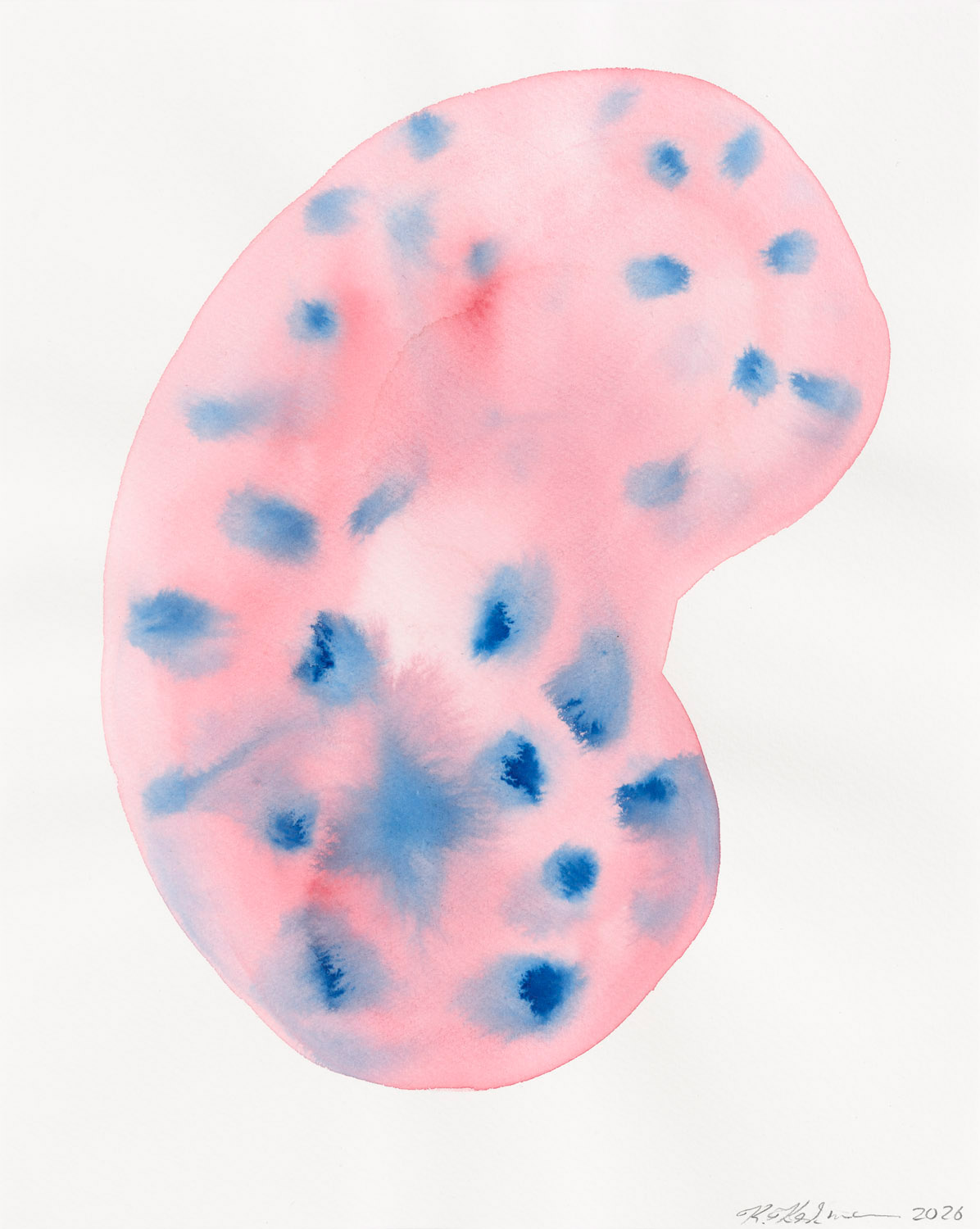
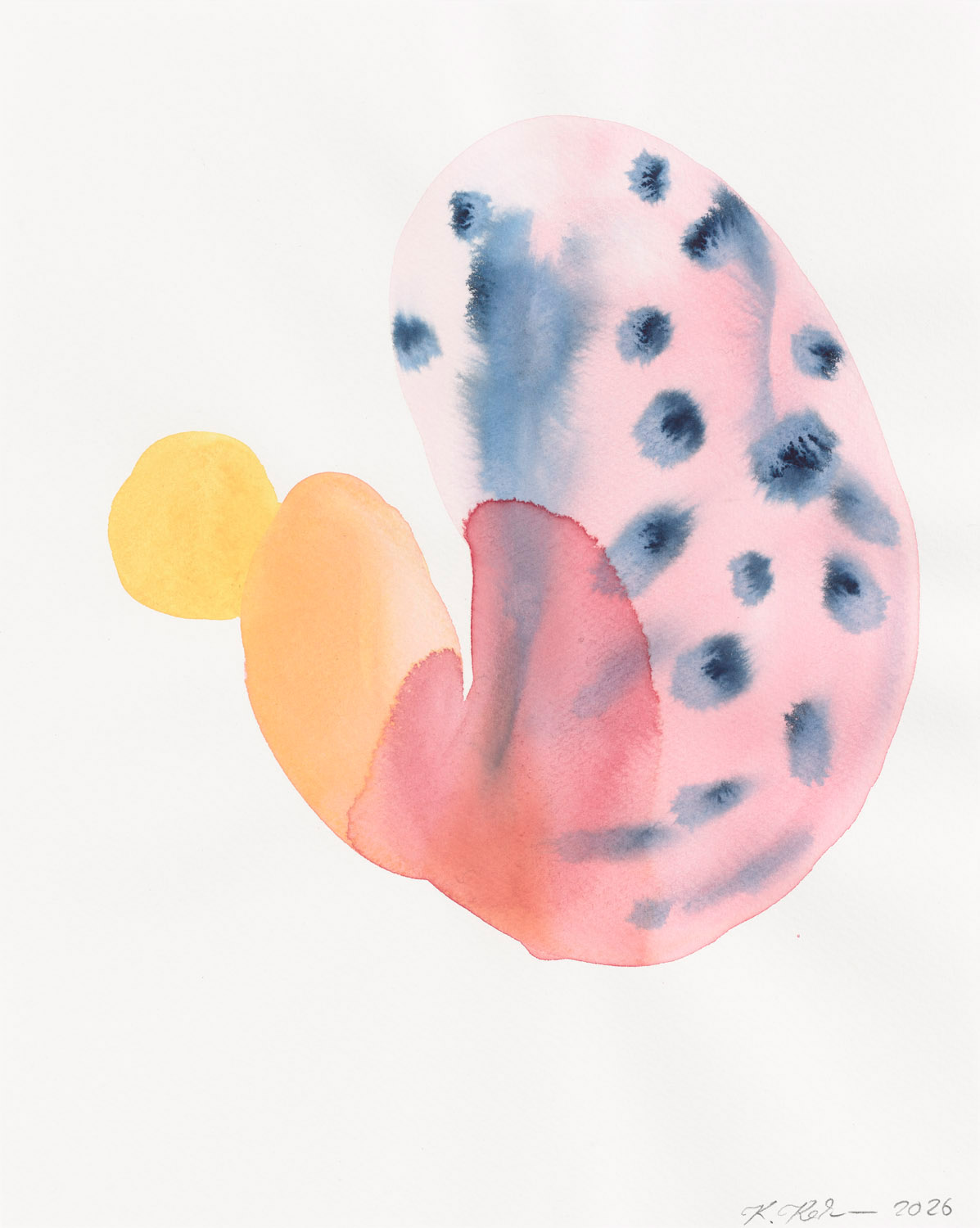
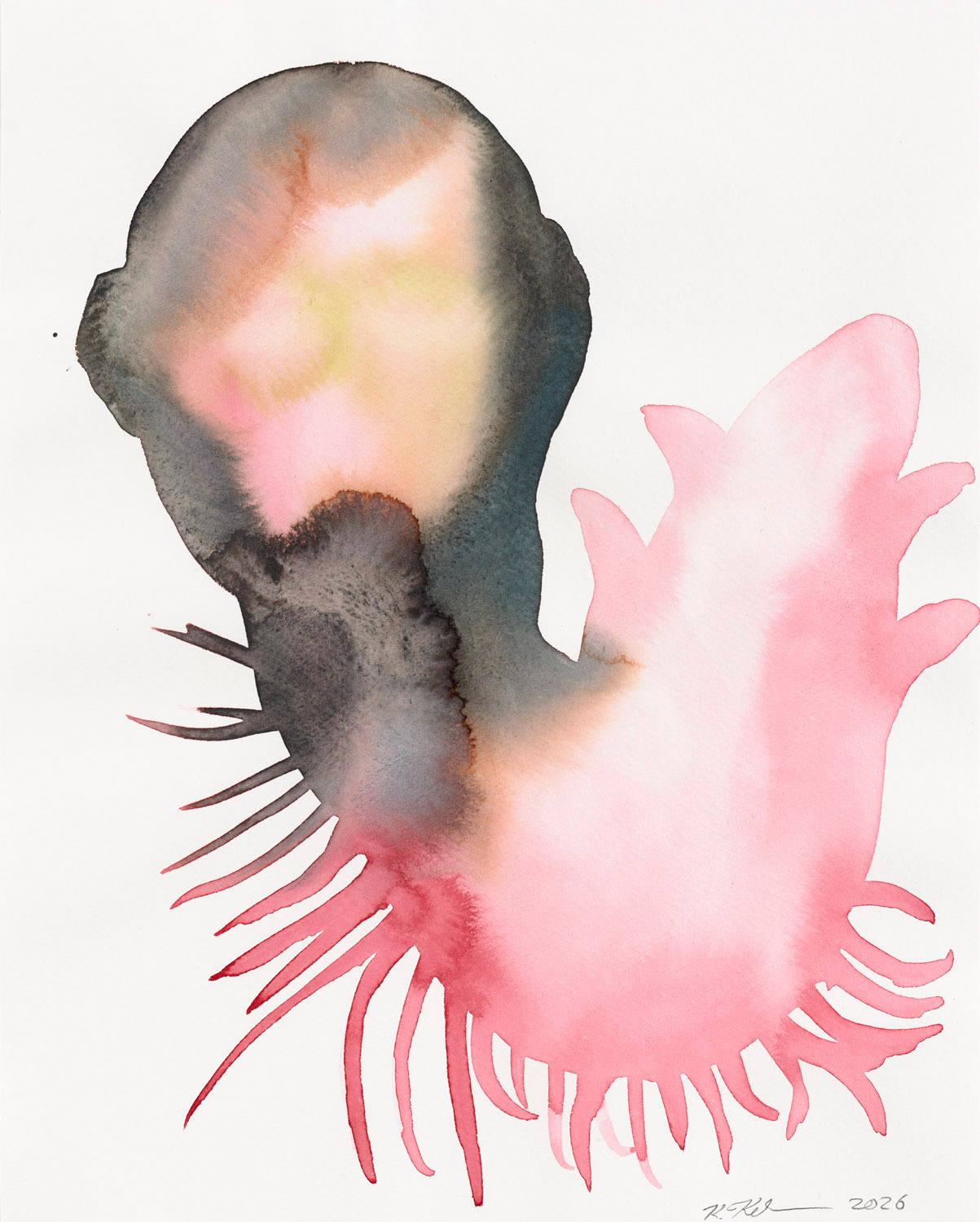
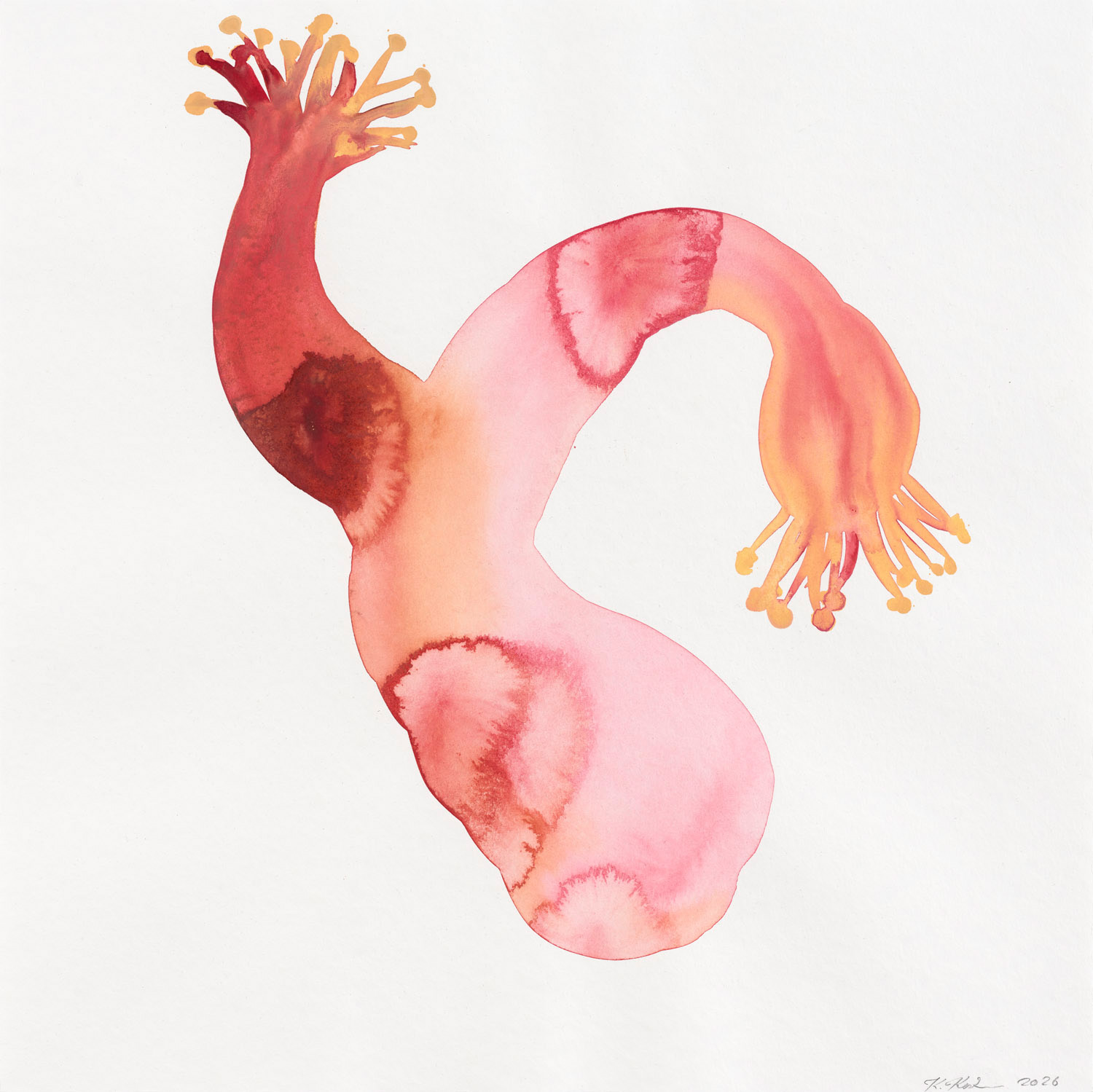
40 x 40 cmquarell aus der Serie Regrowth
40 x 40 cm
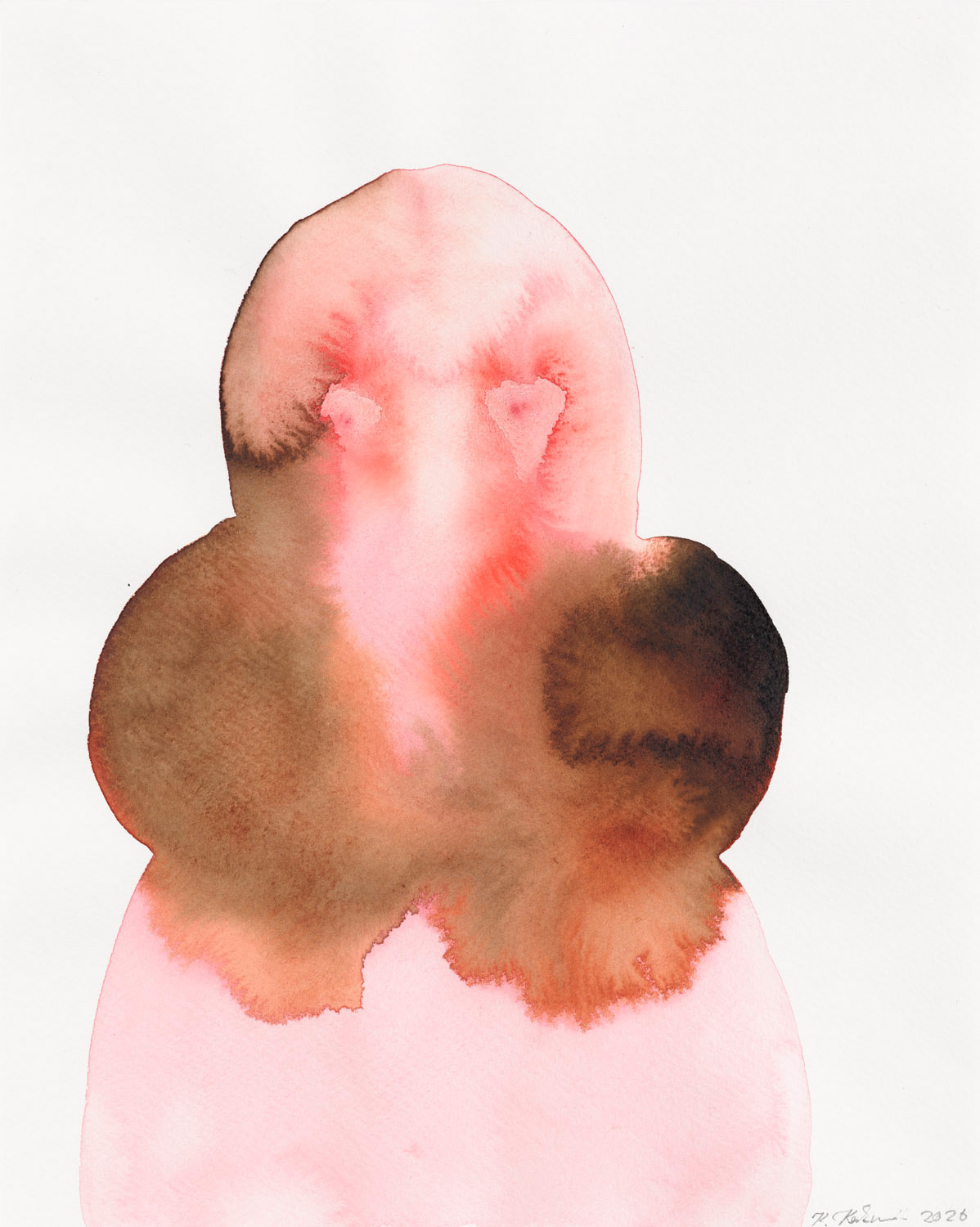
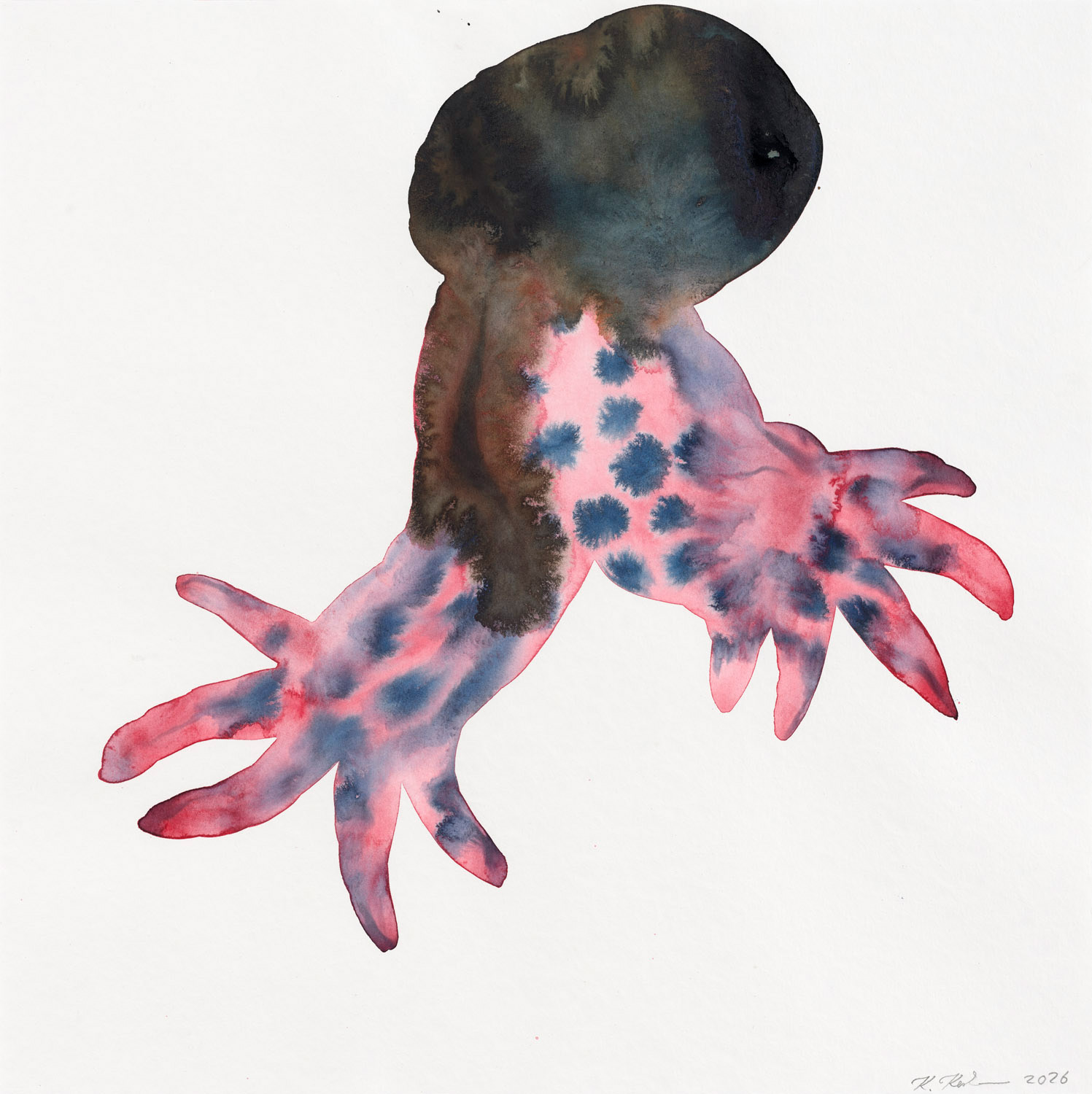
40 x 40 cm
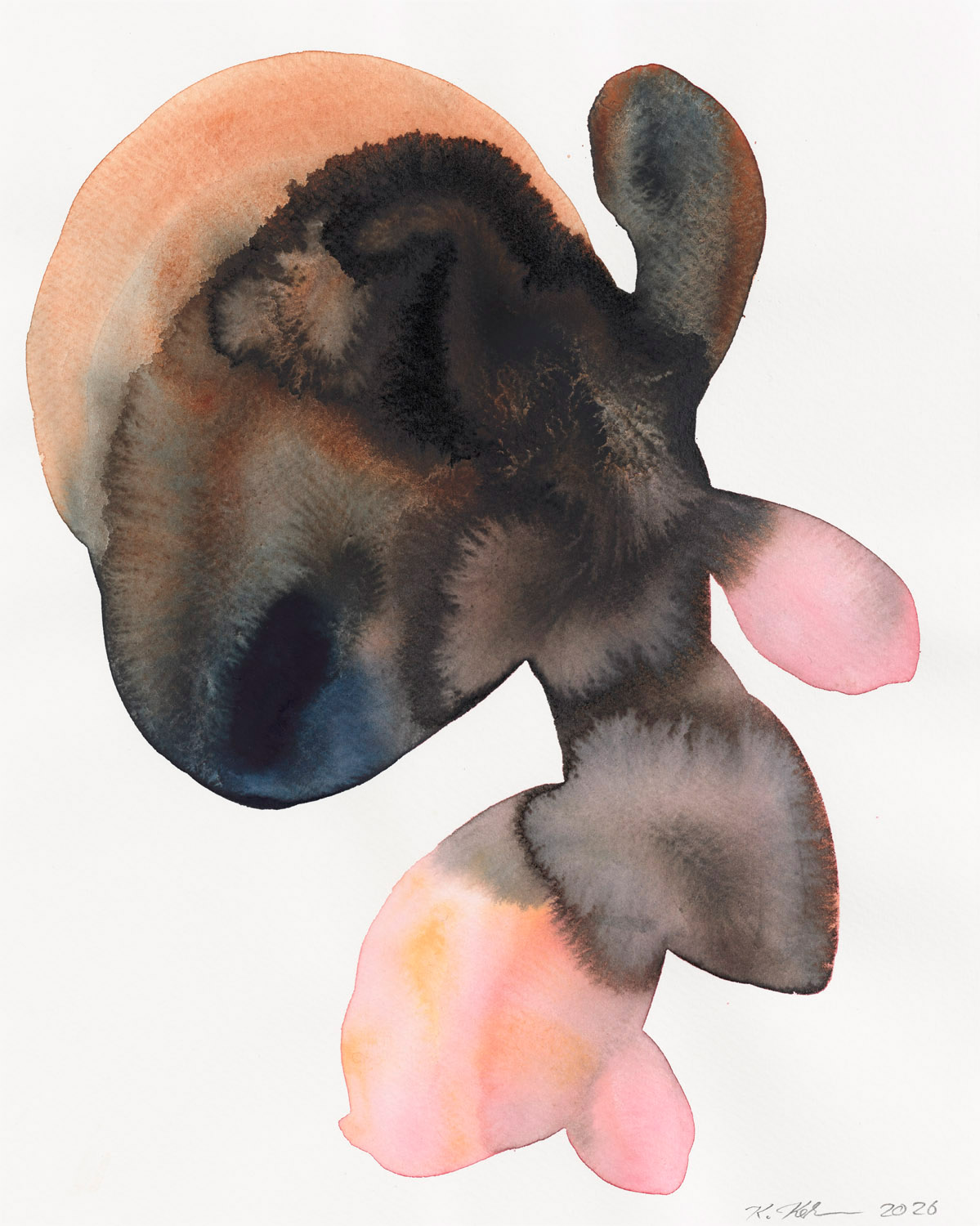
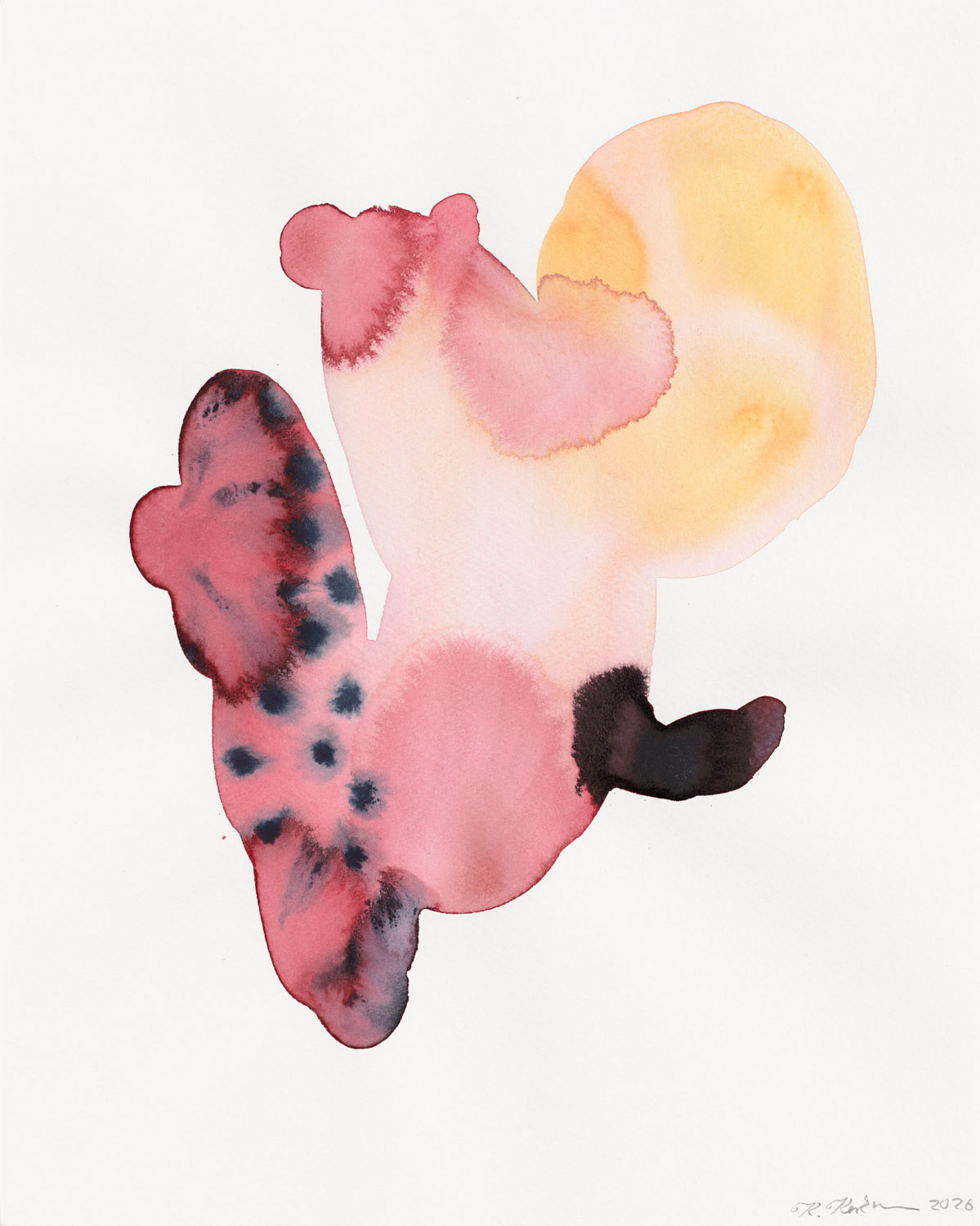
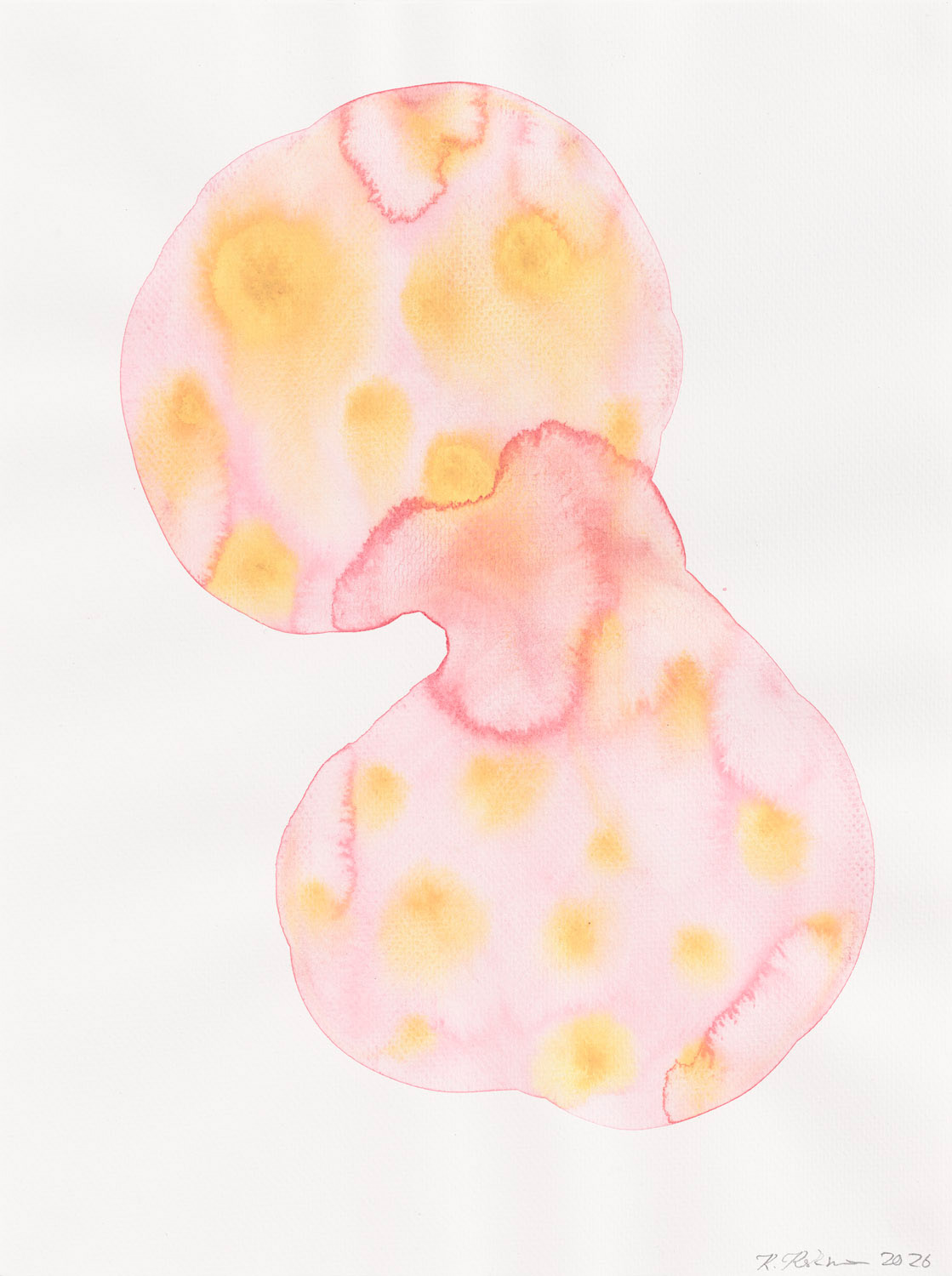
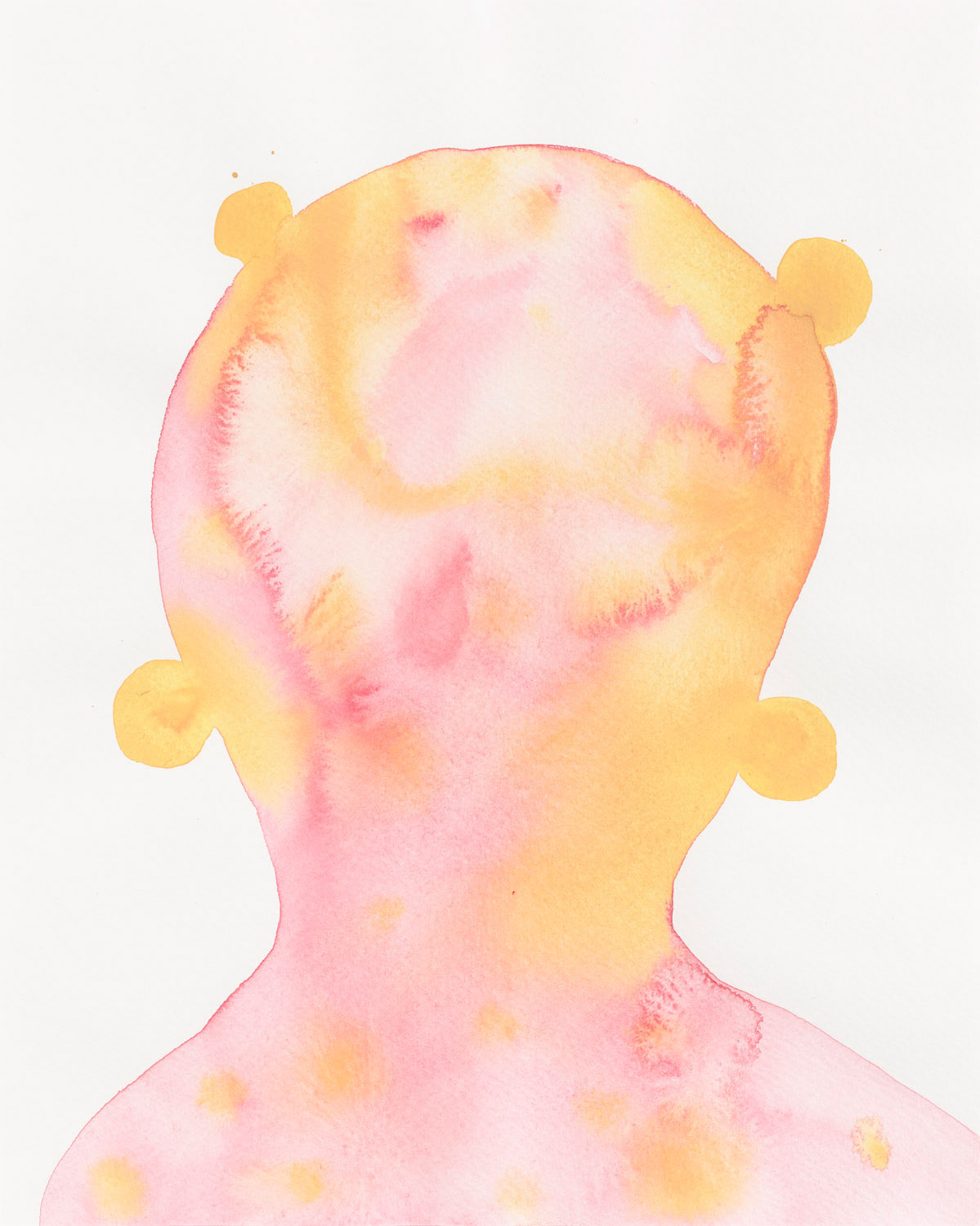
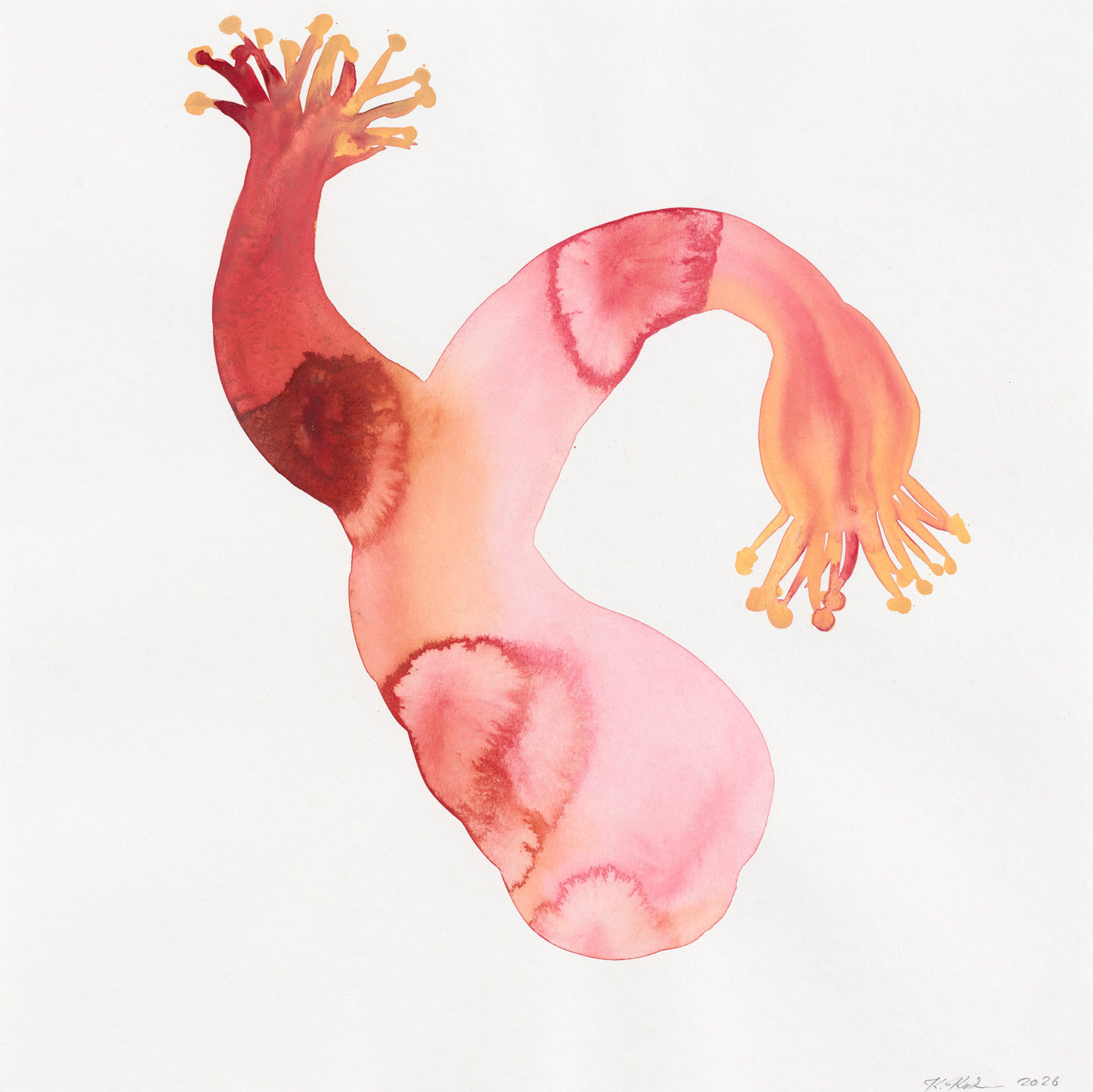
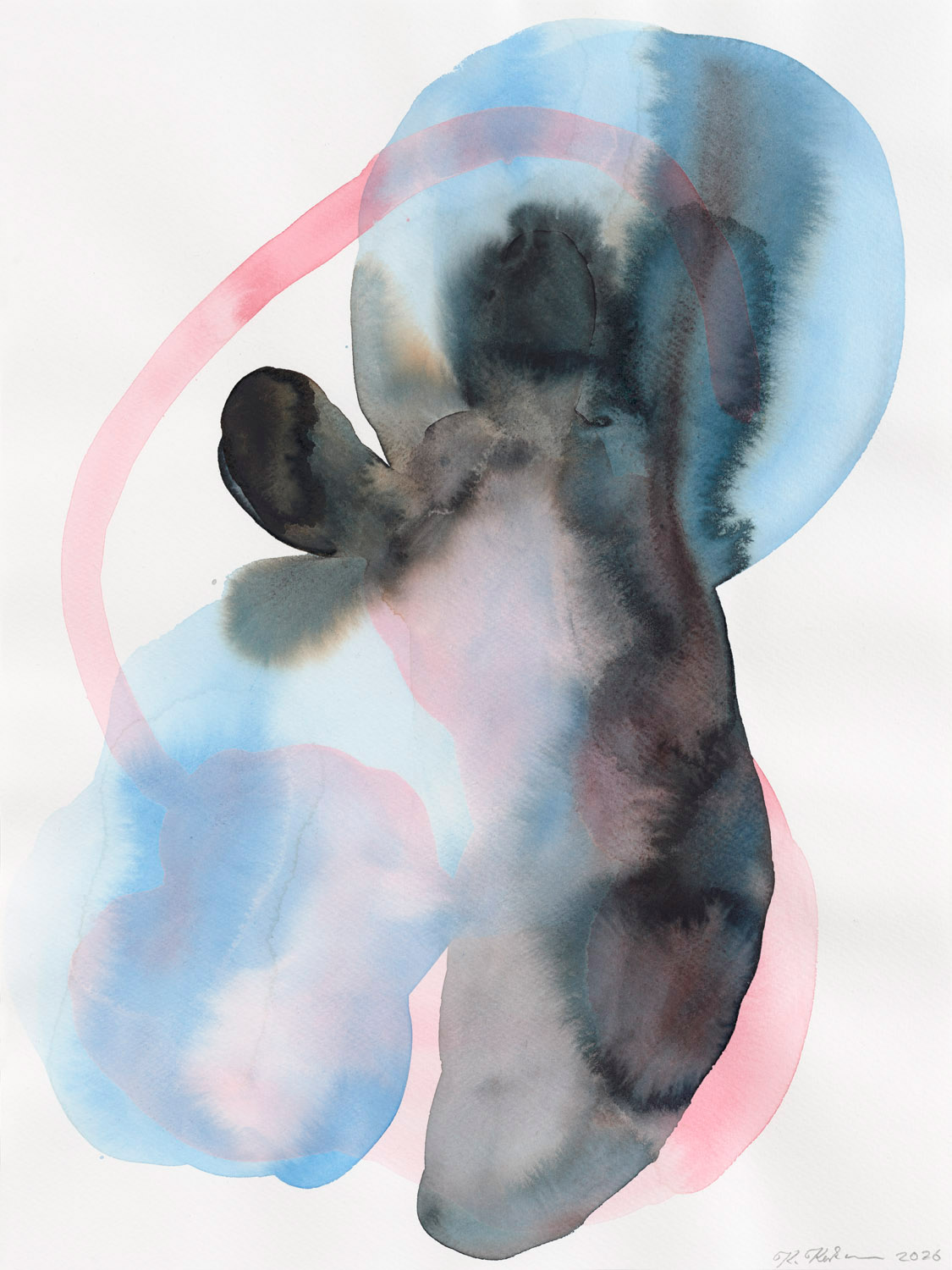
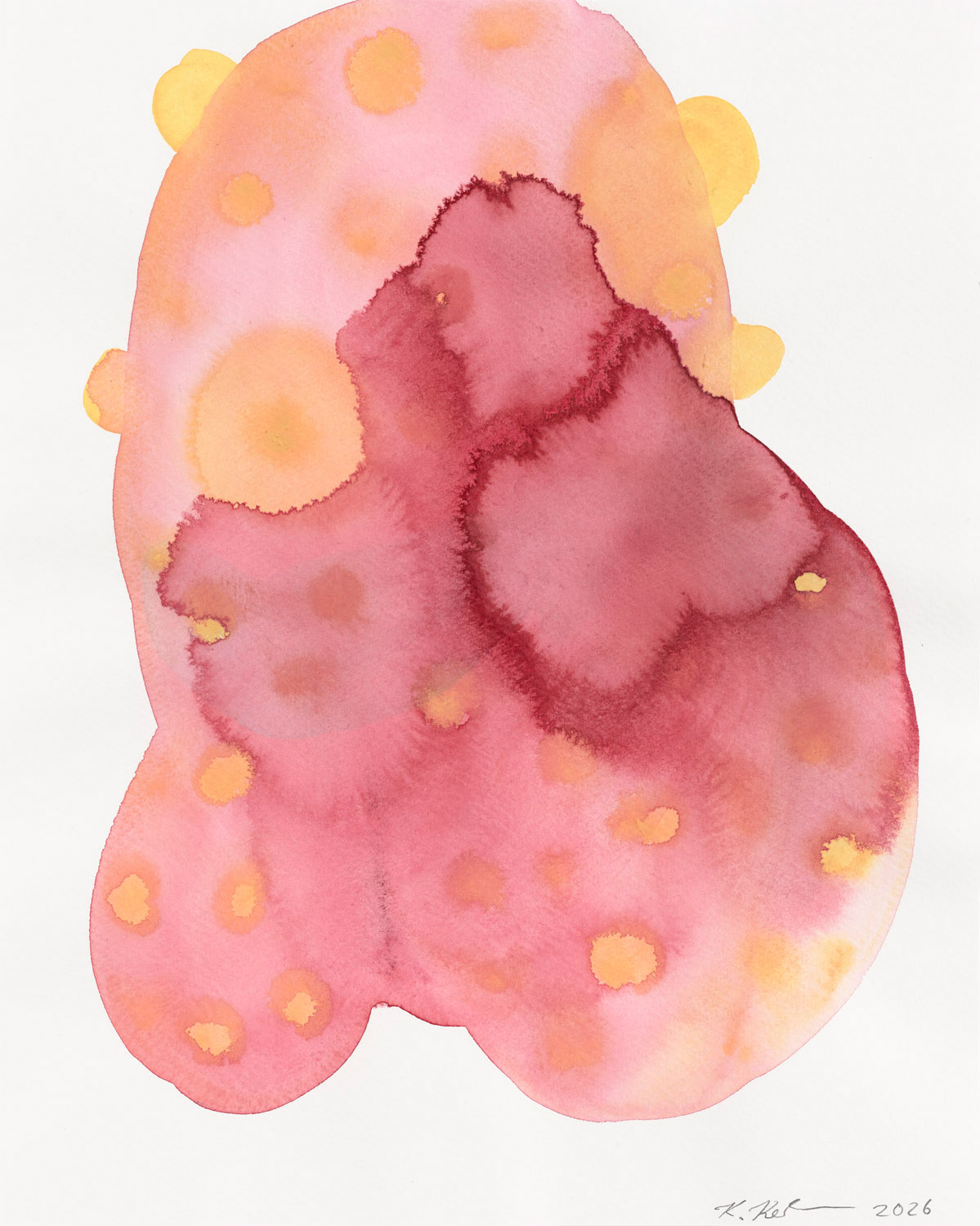
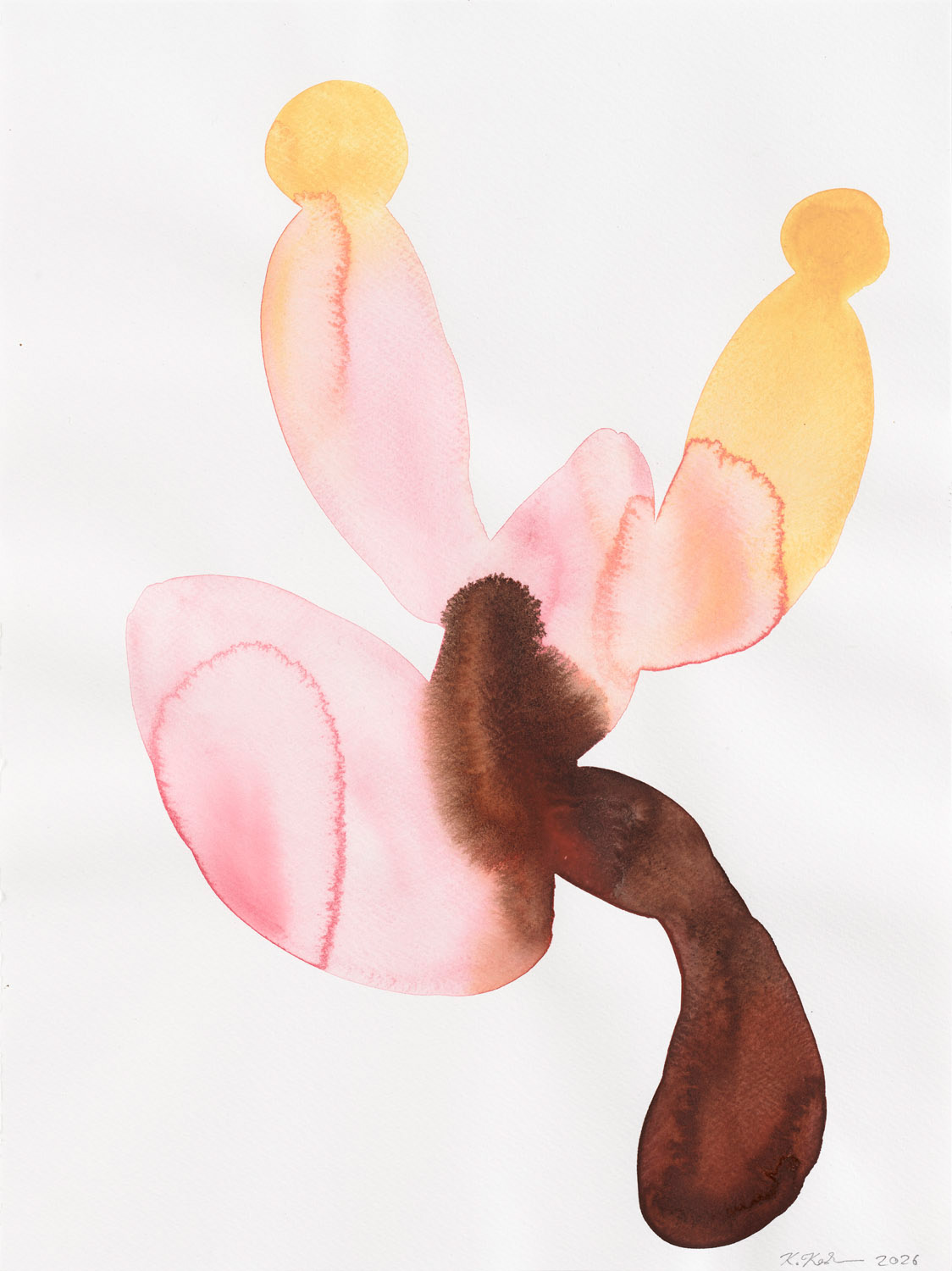
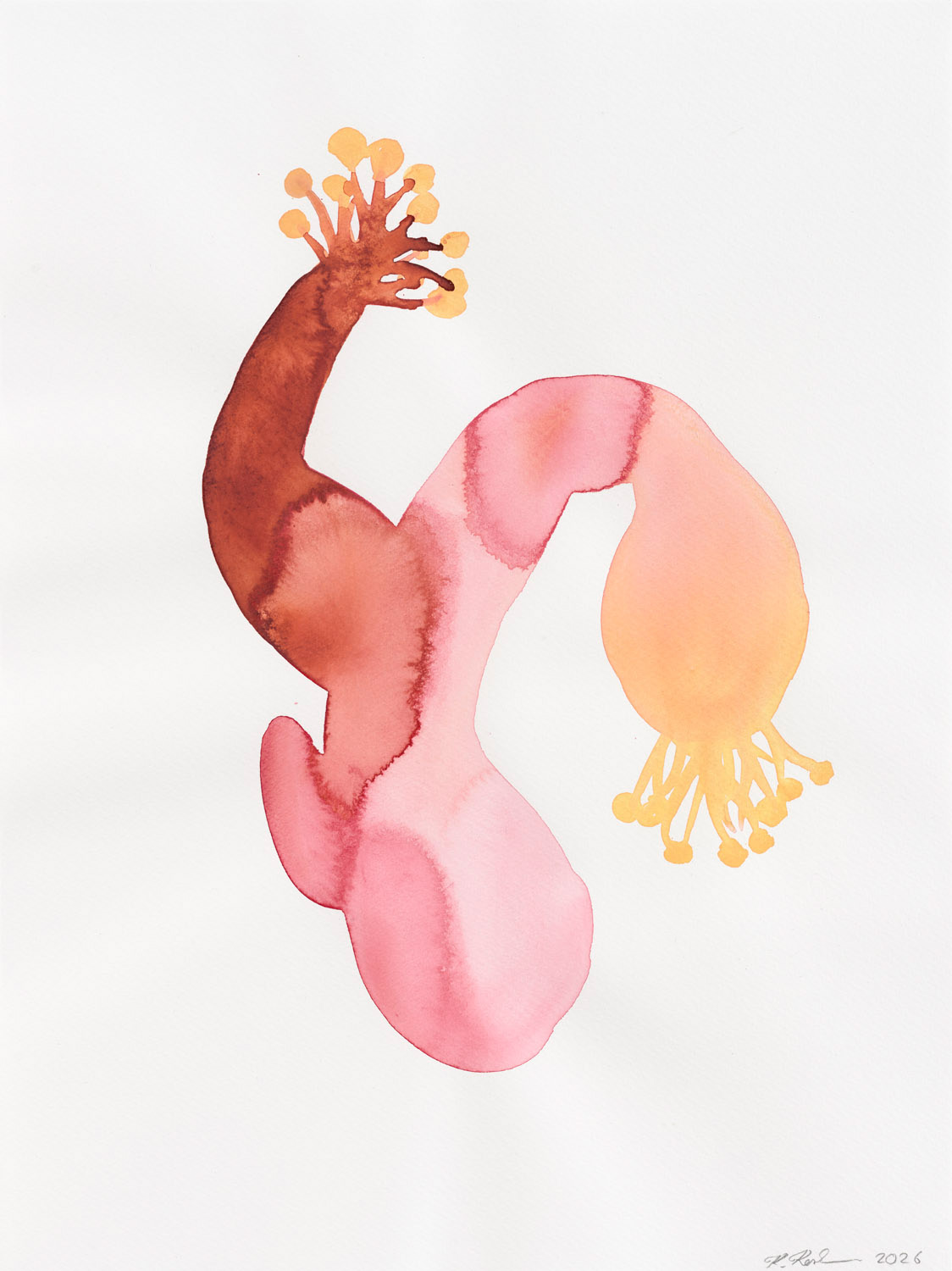
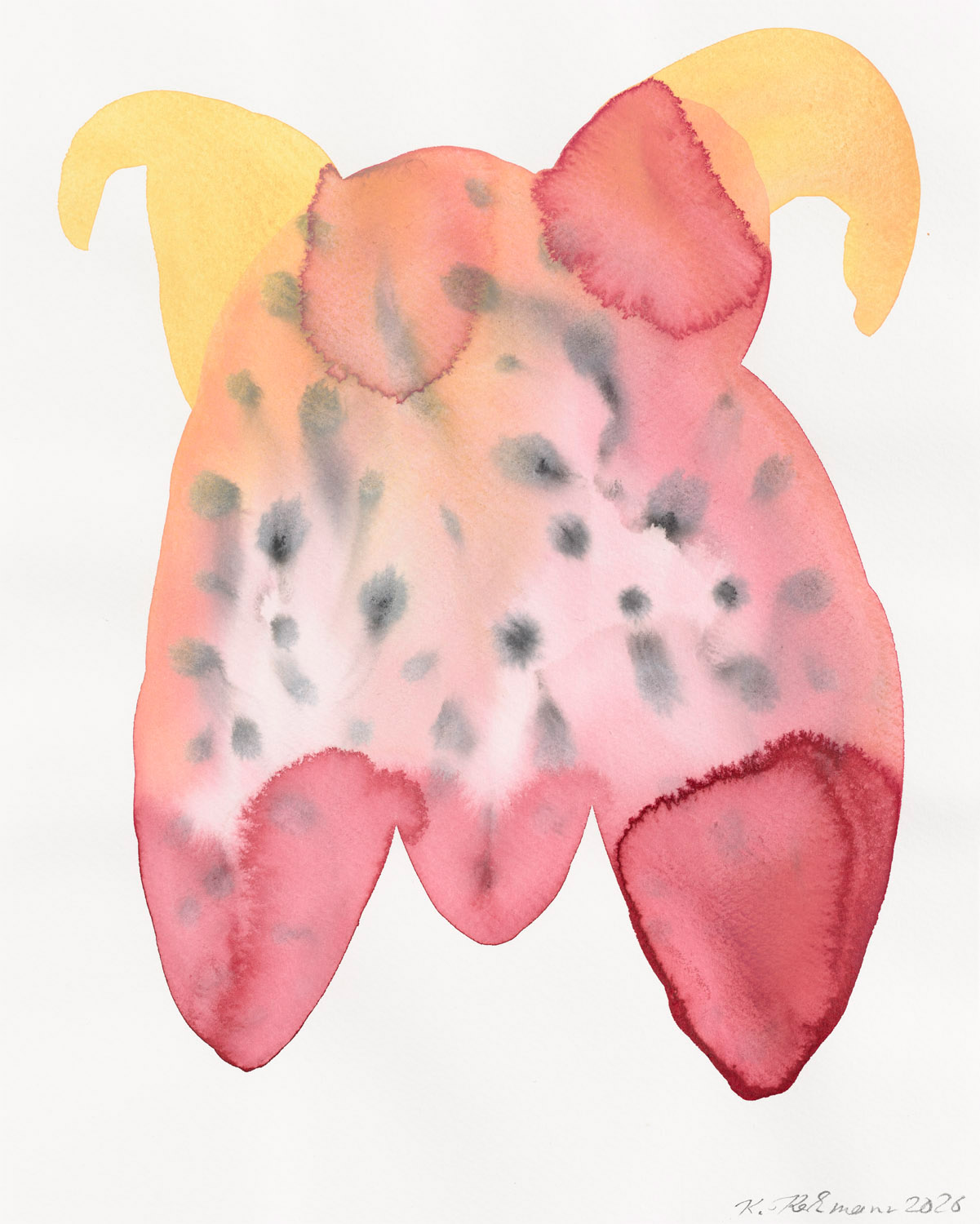
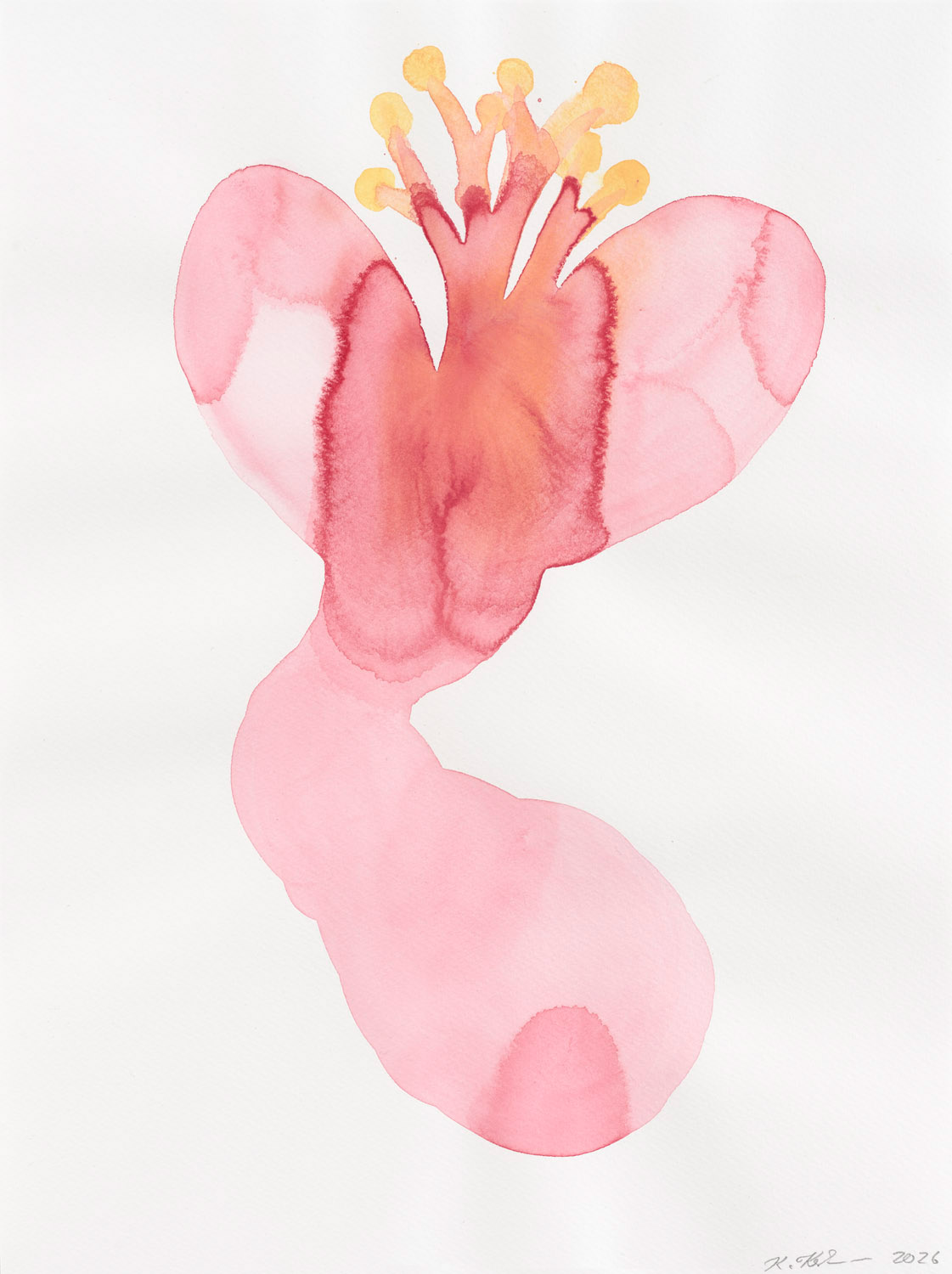
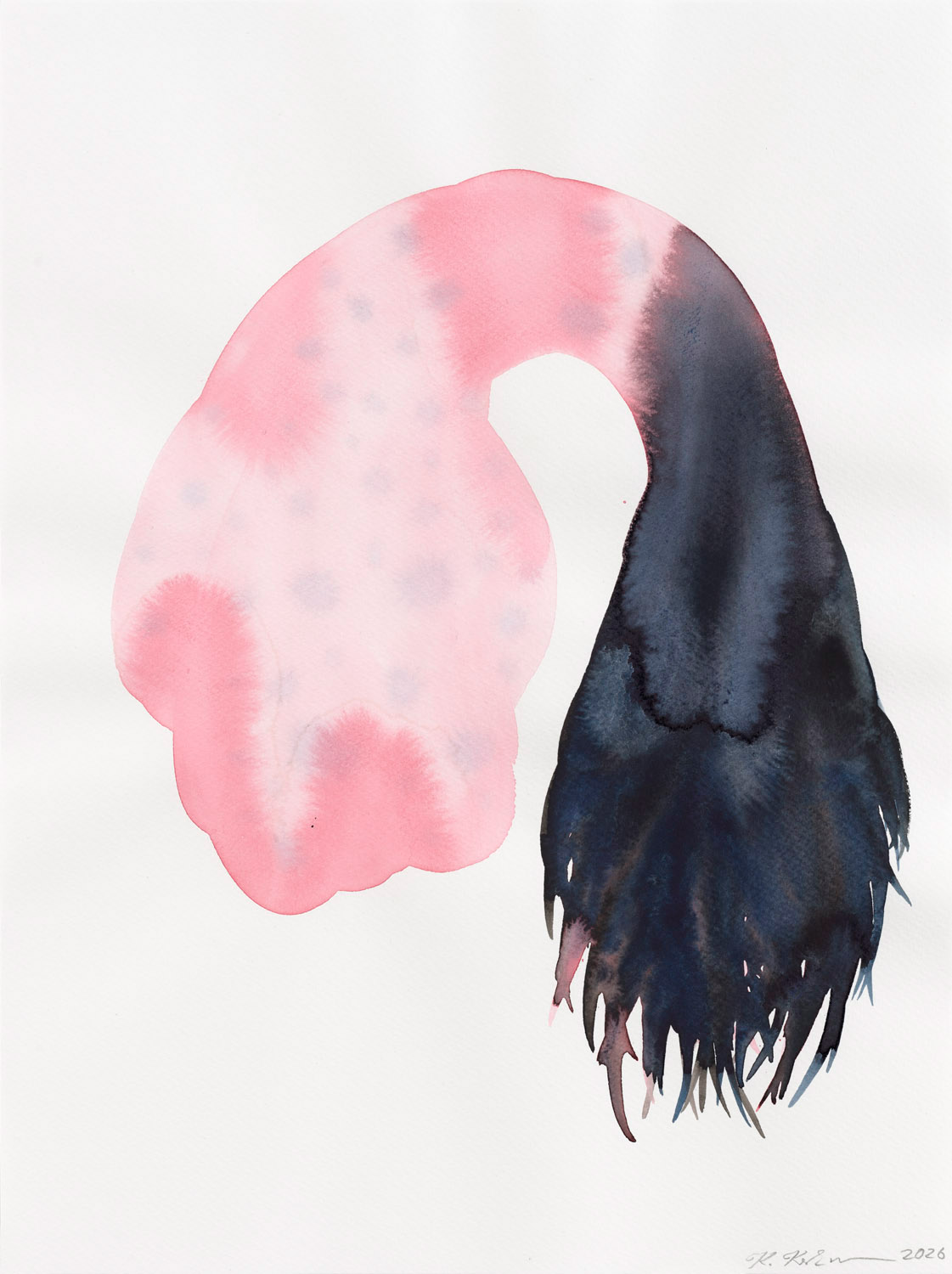
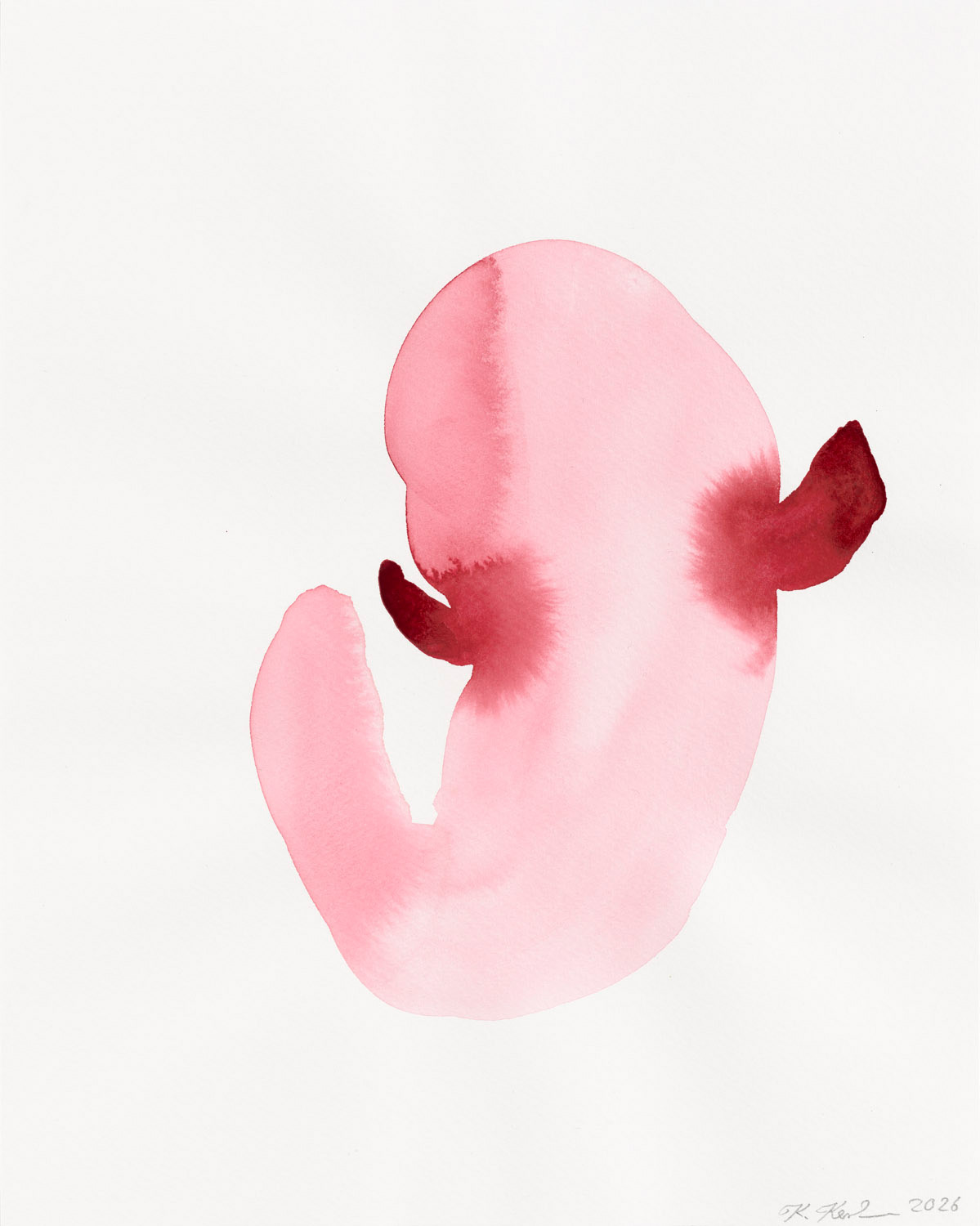
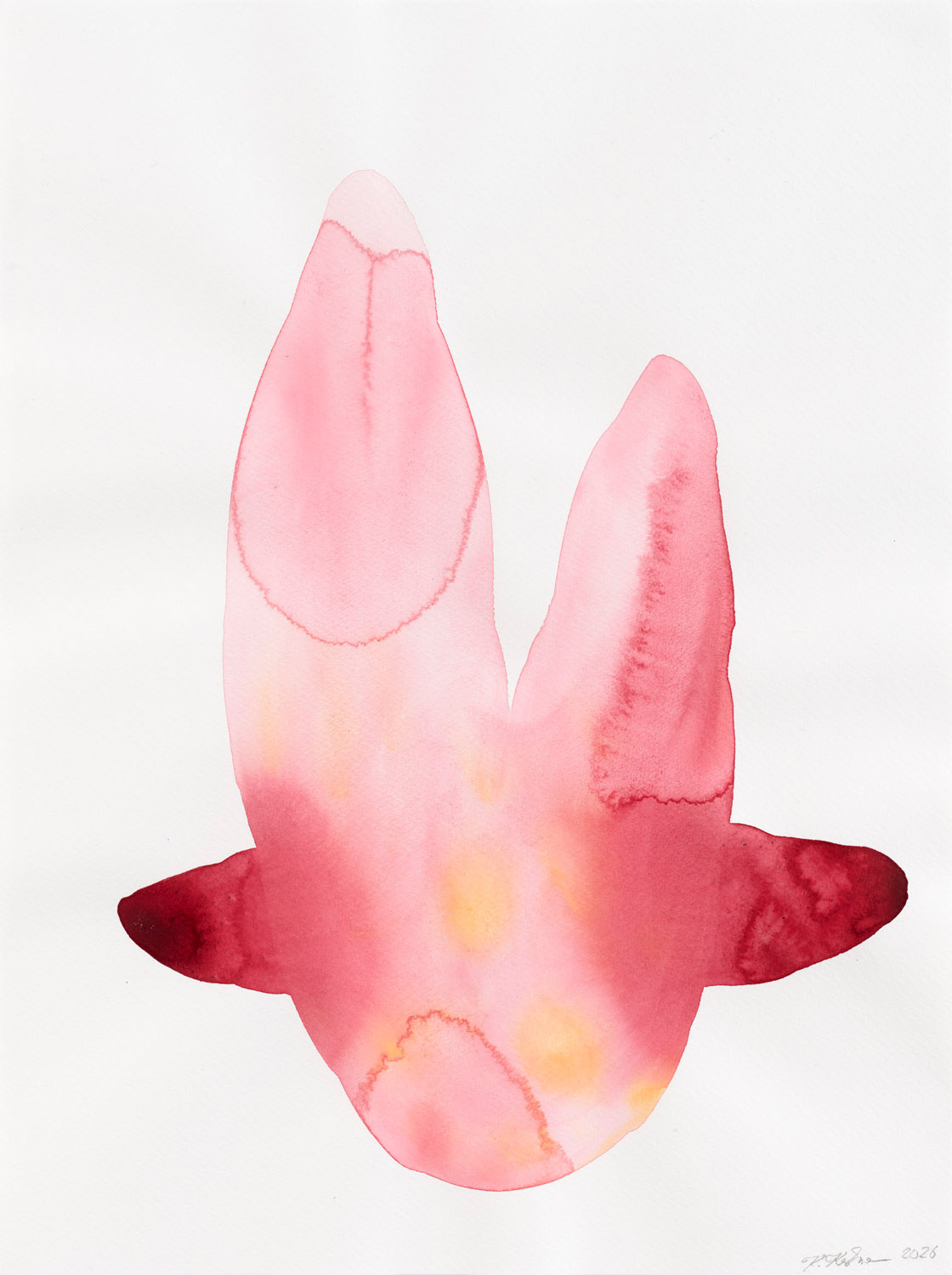
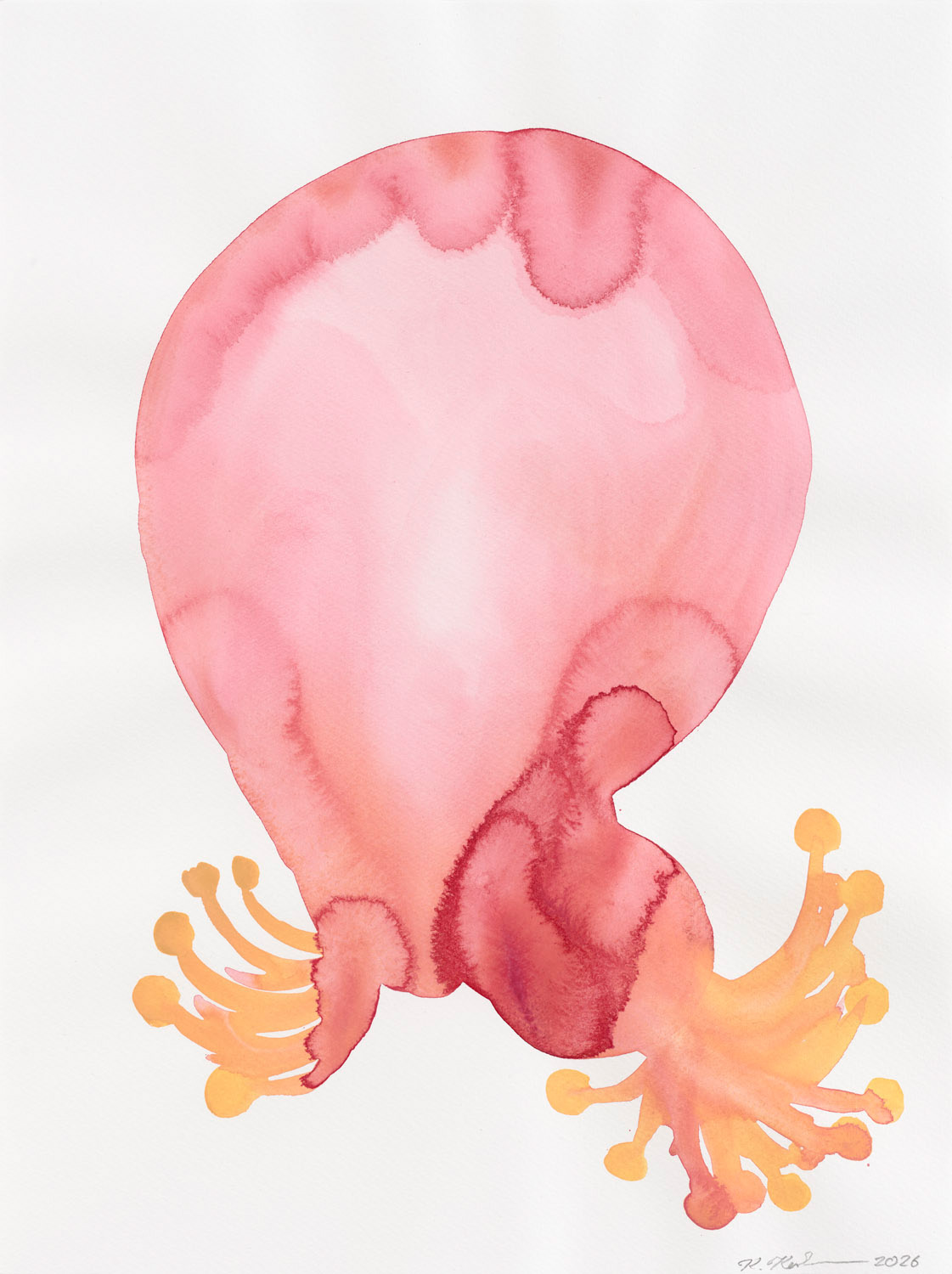
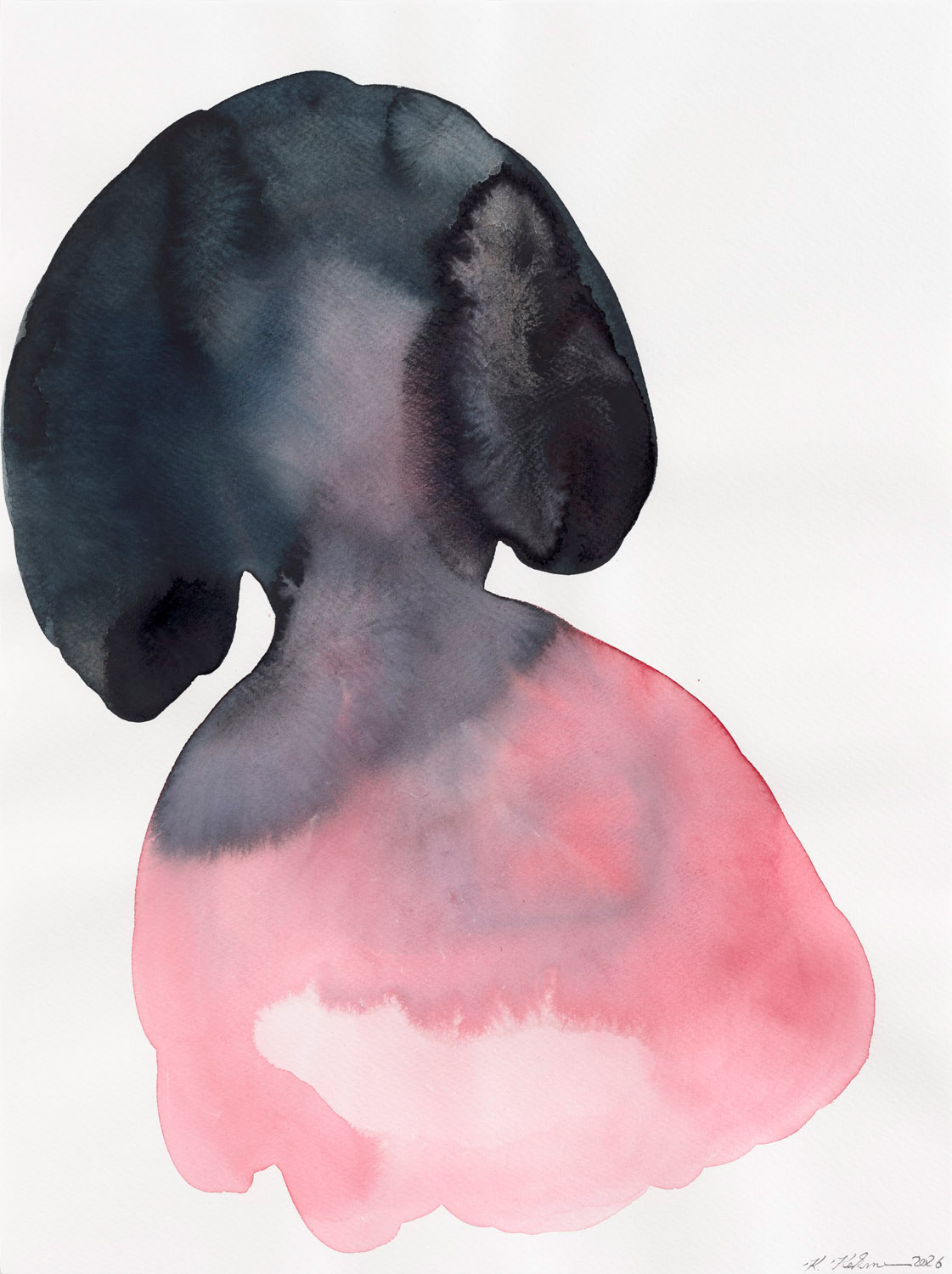
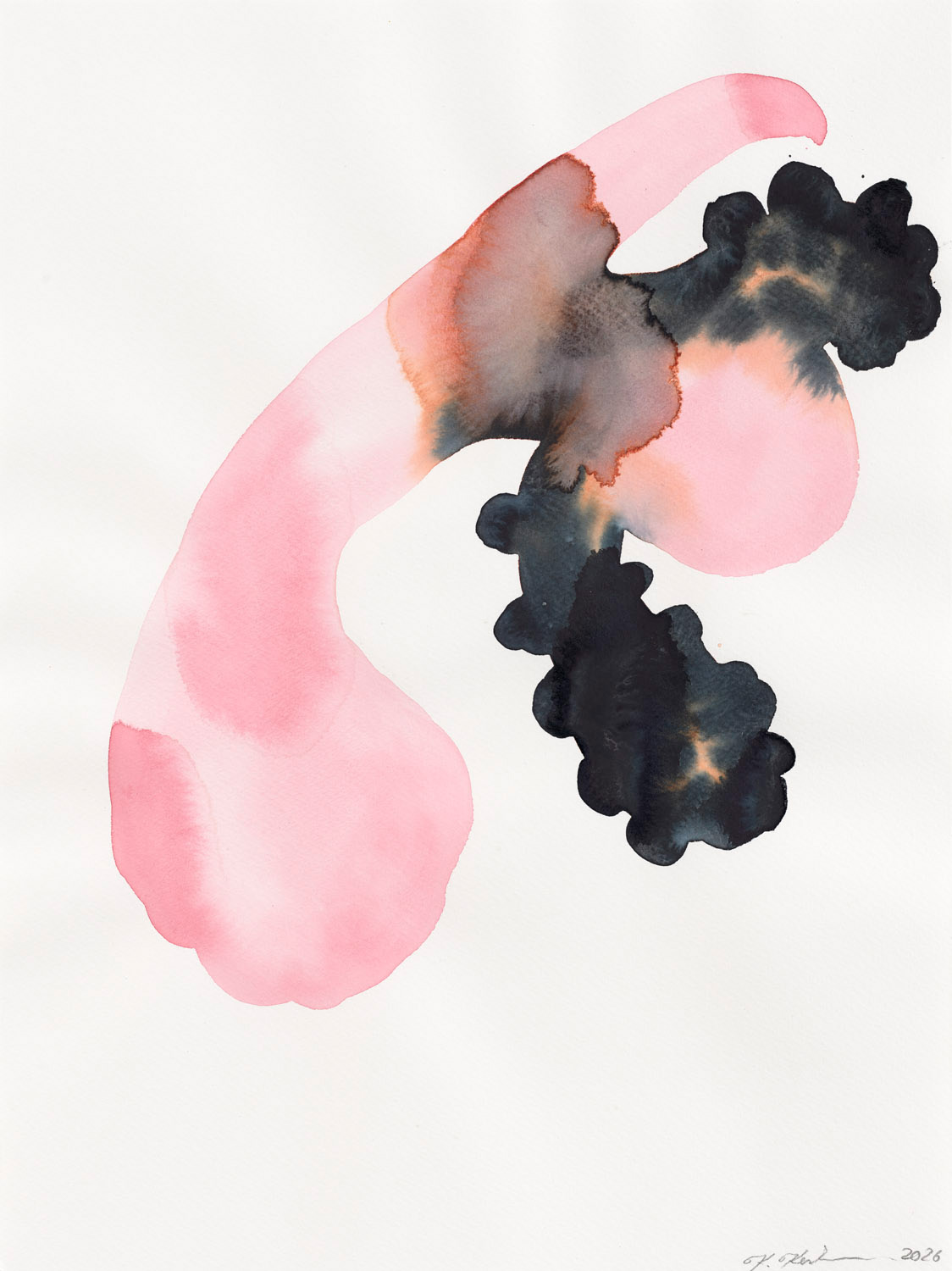
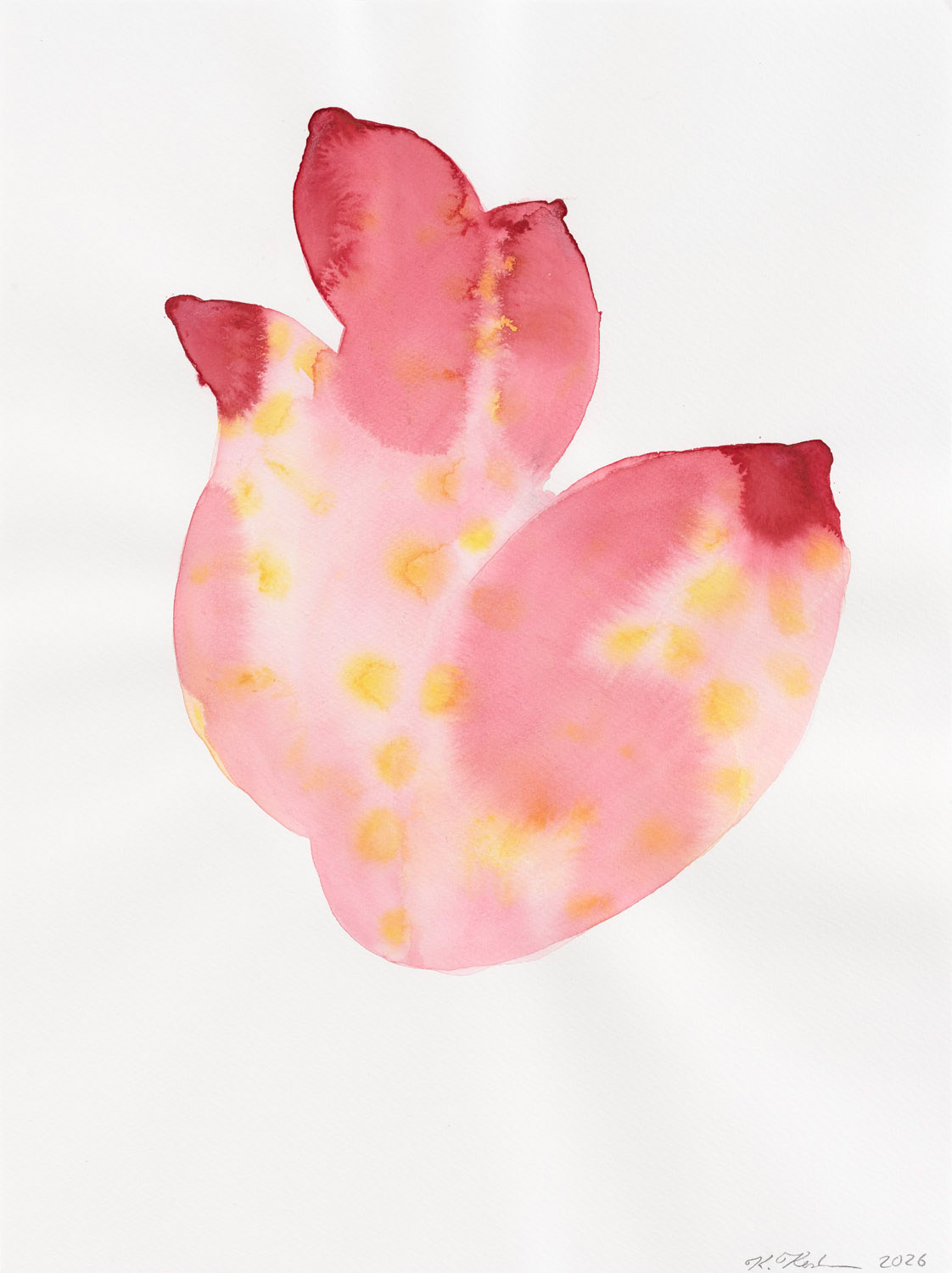
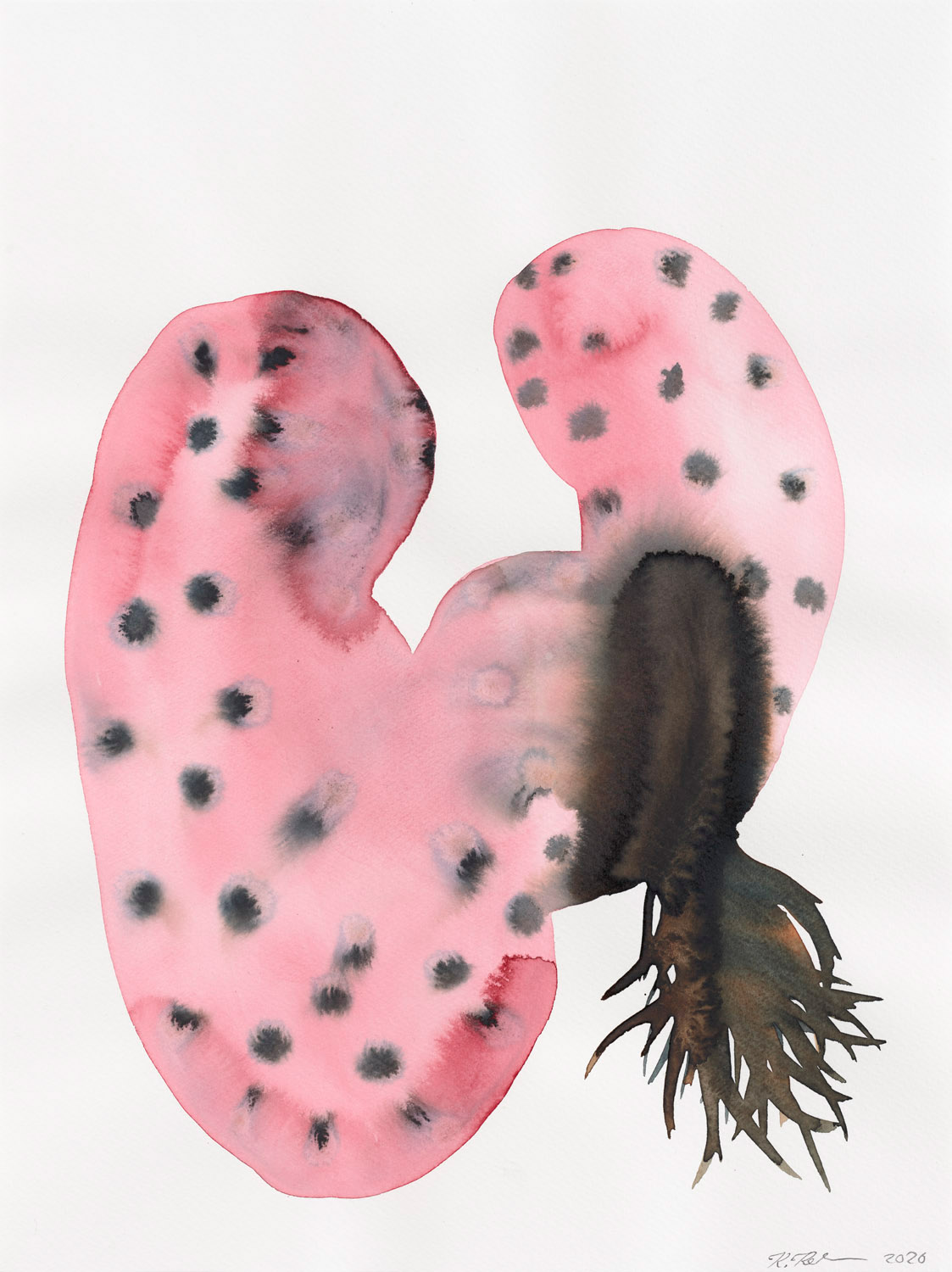
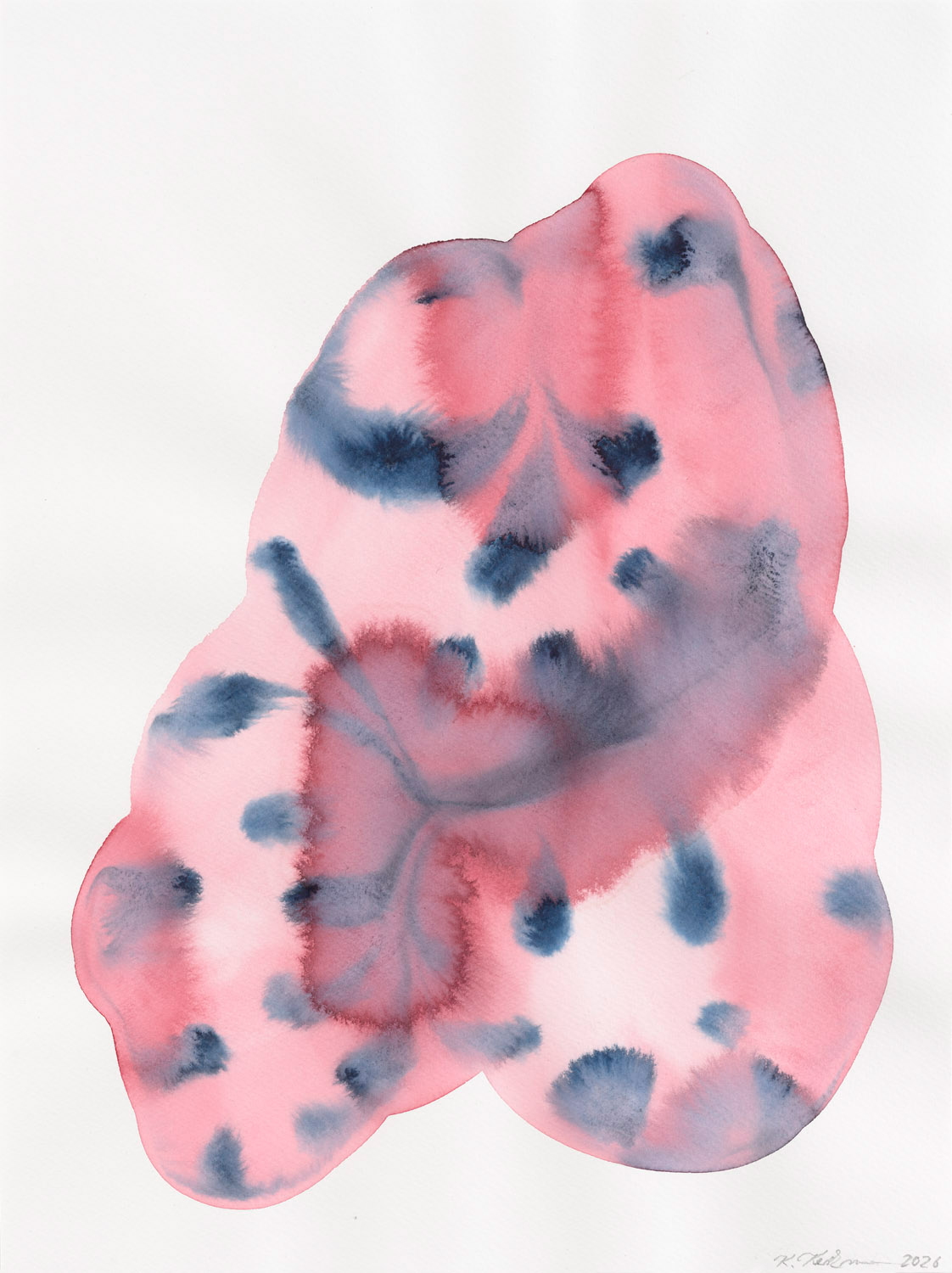
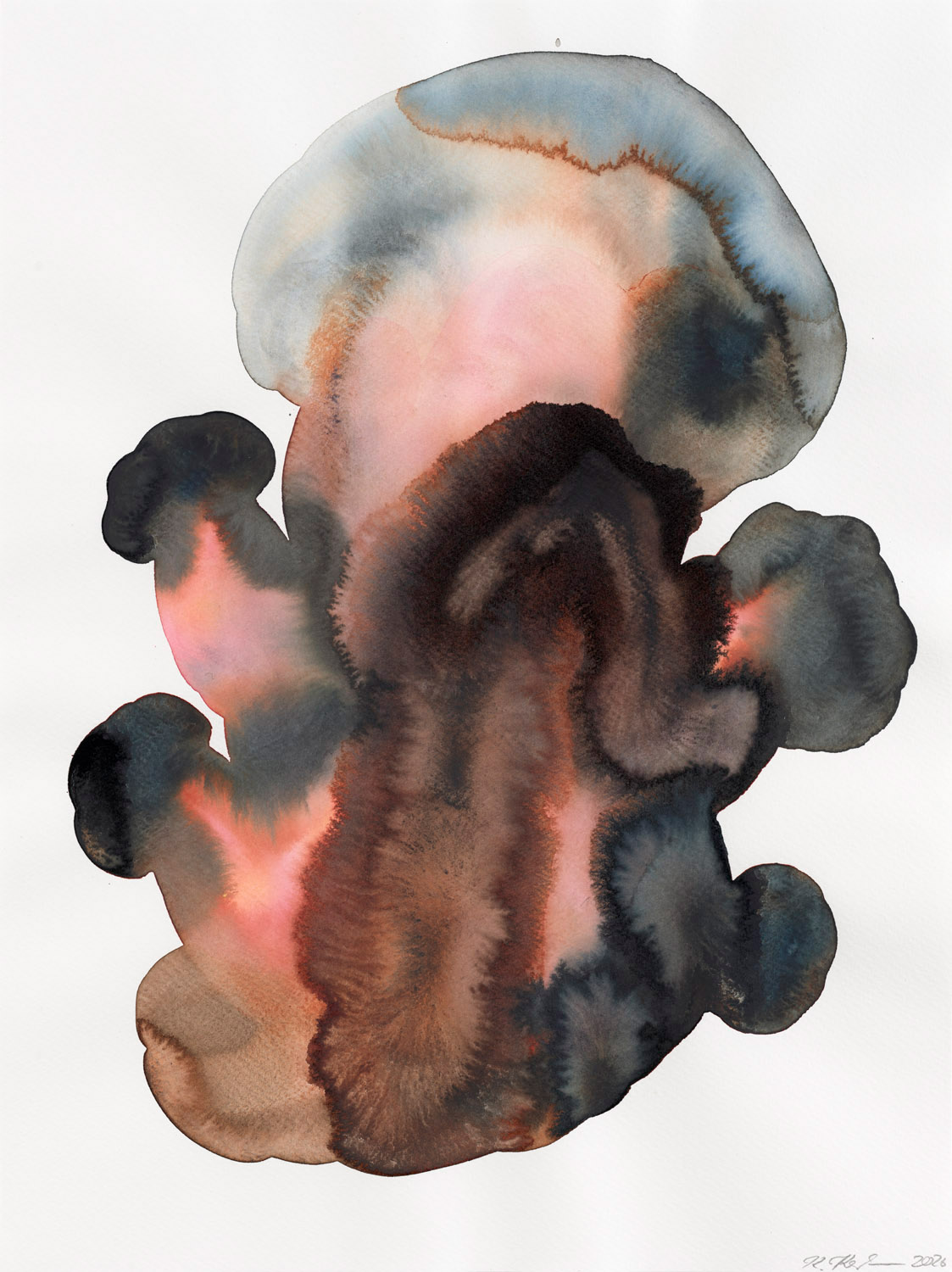
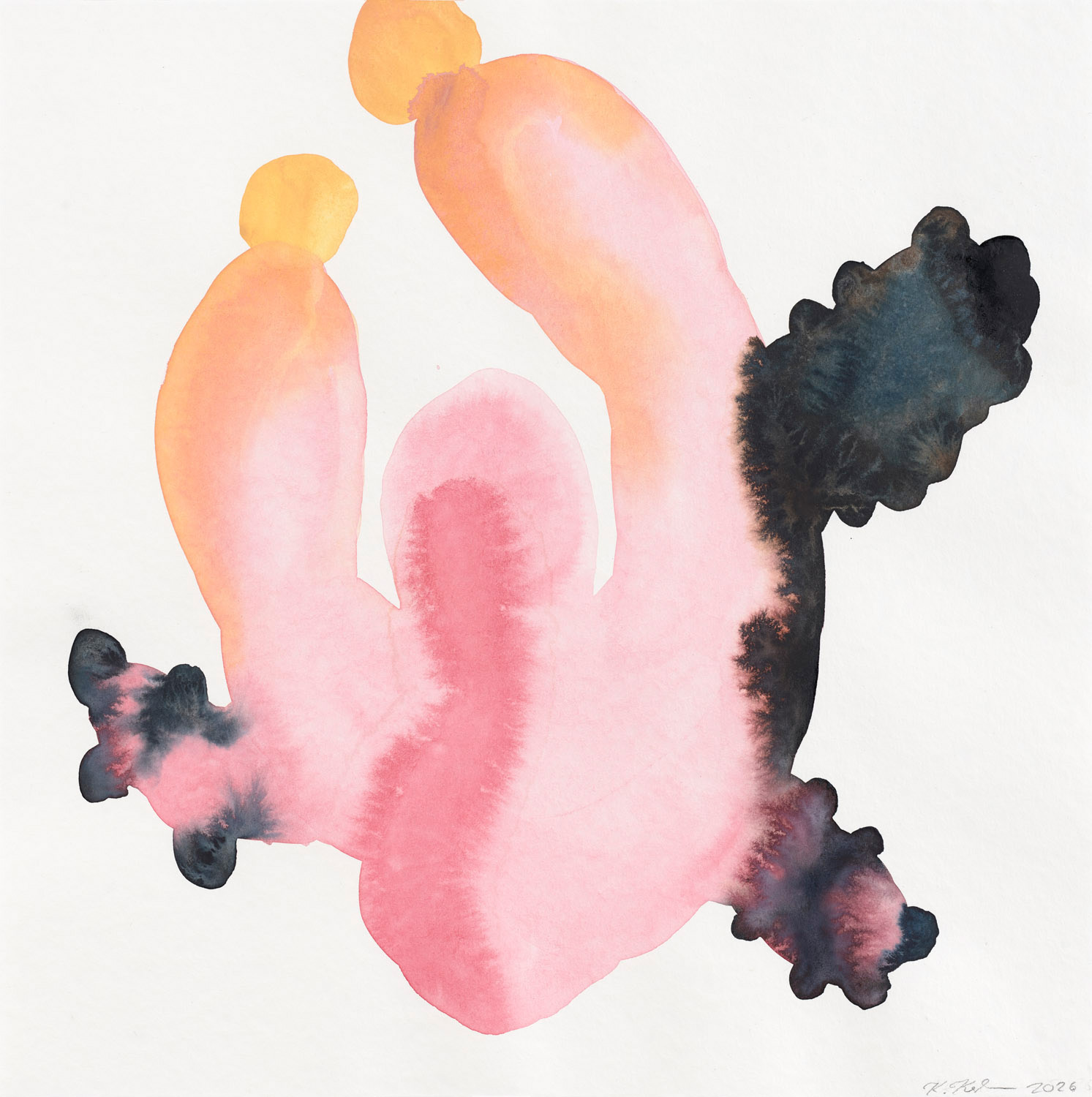
40 x 40 cm
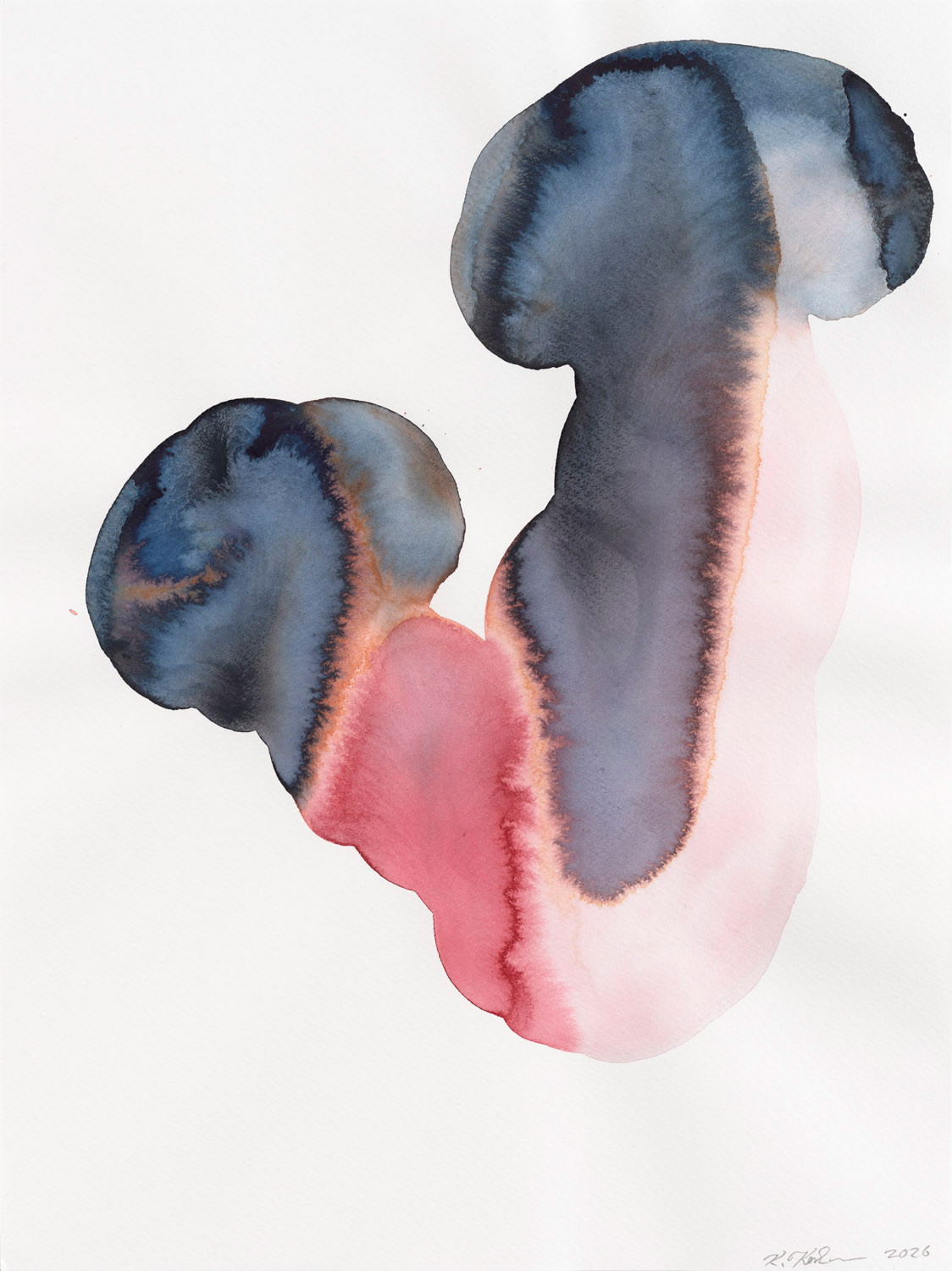
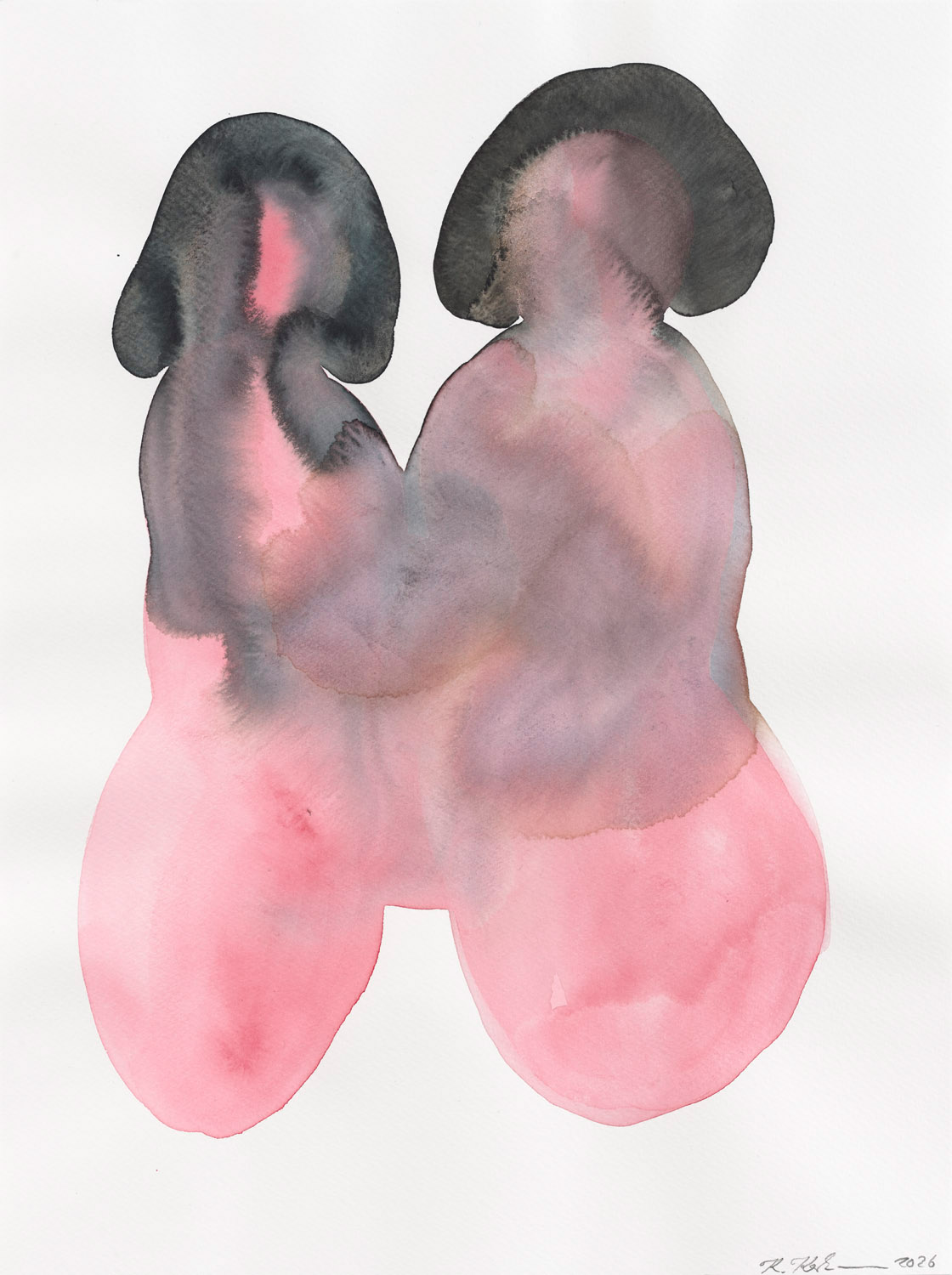
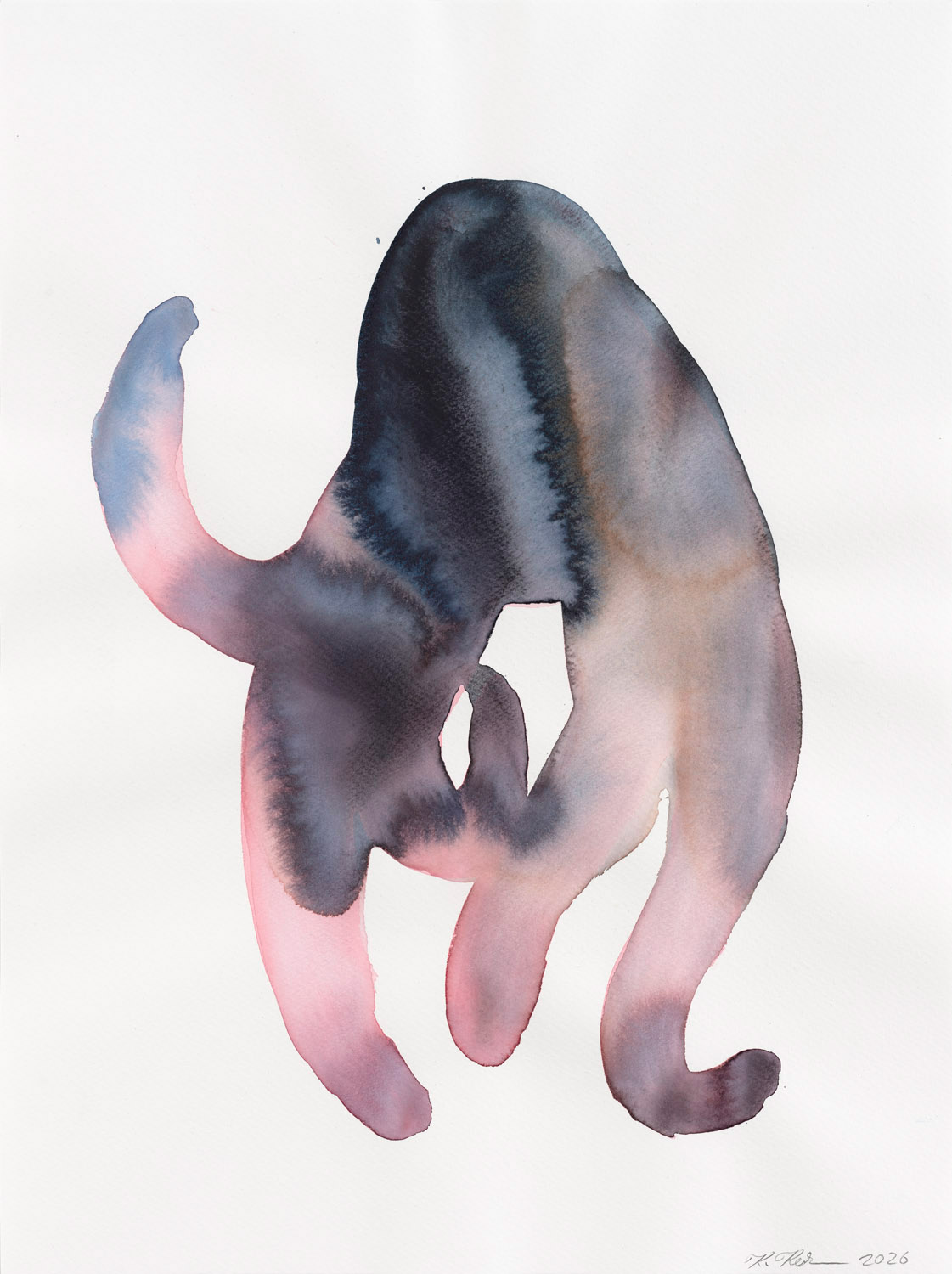
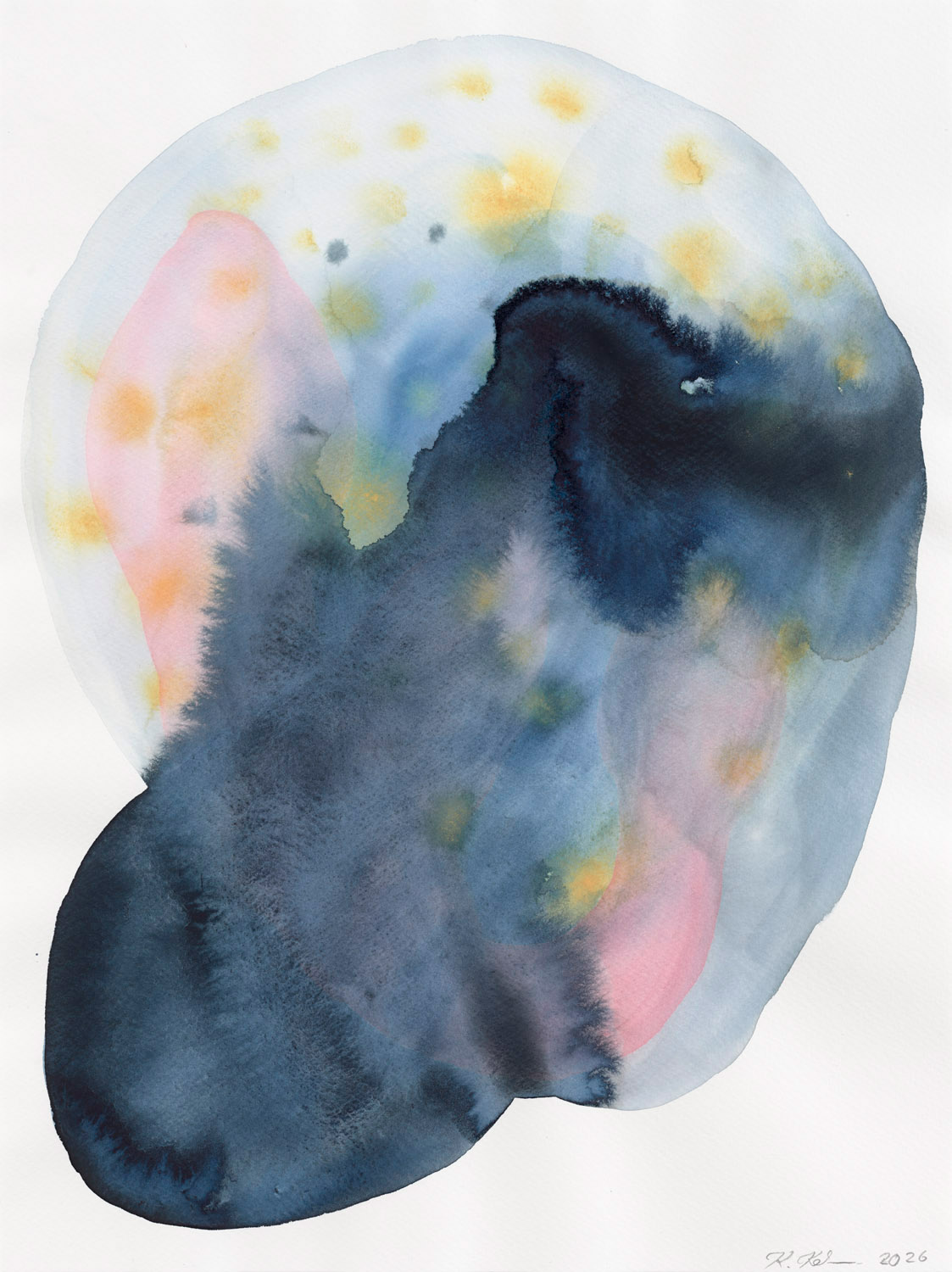
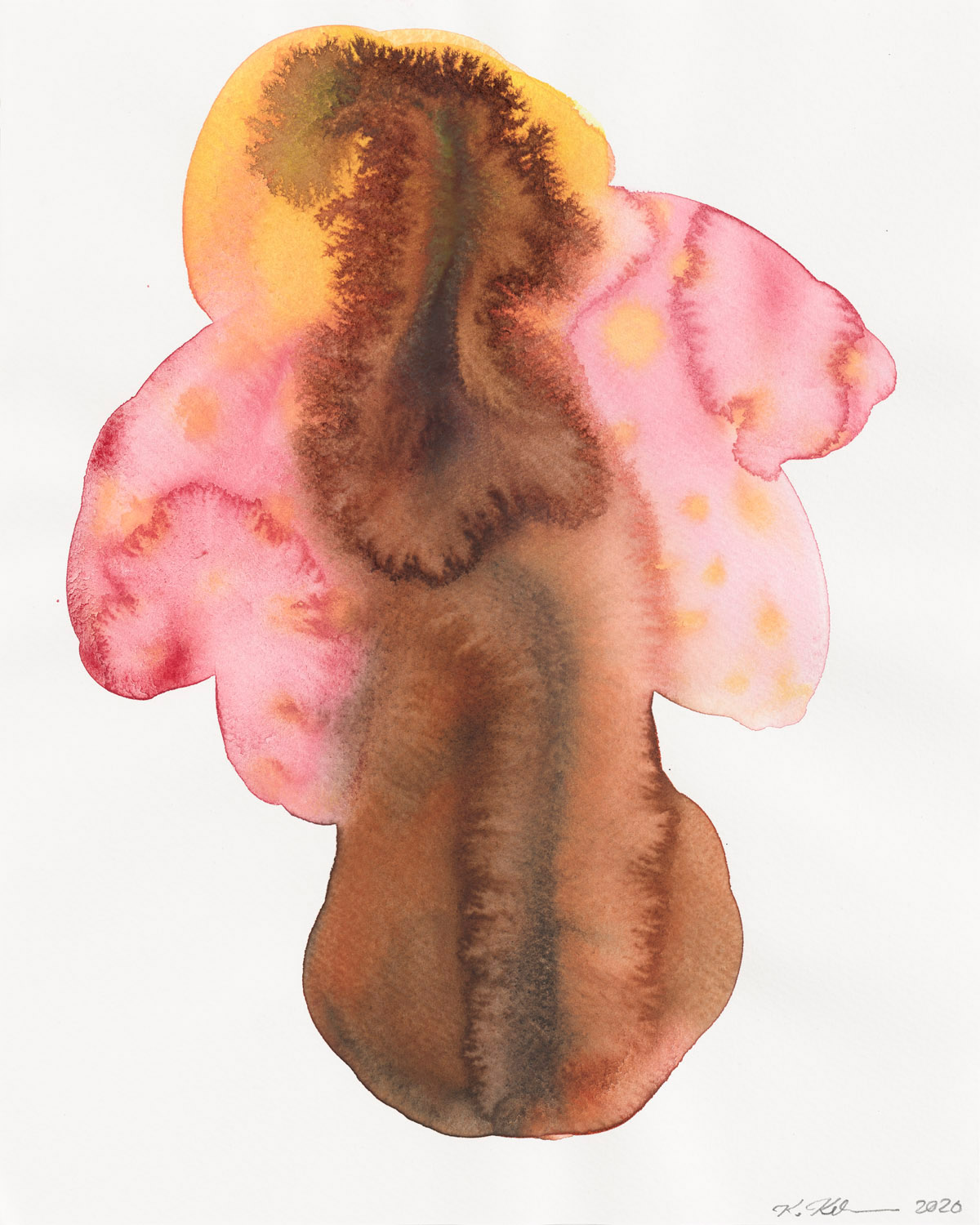
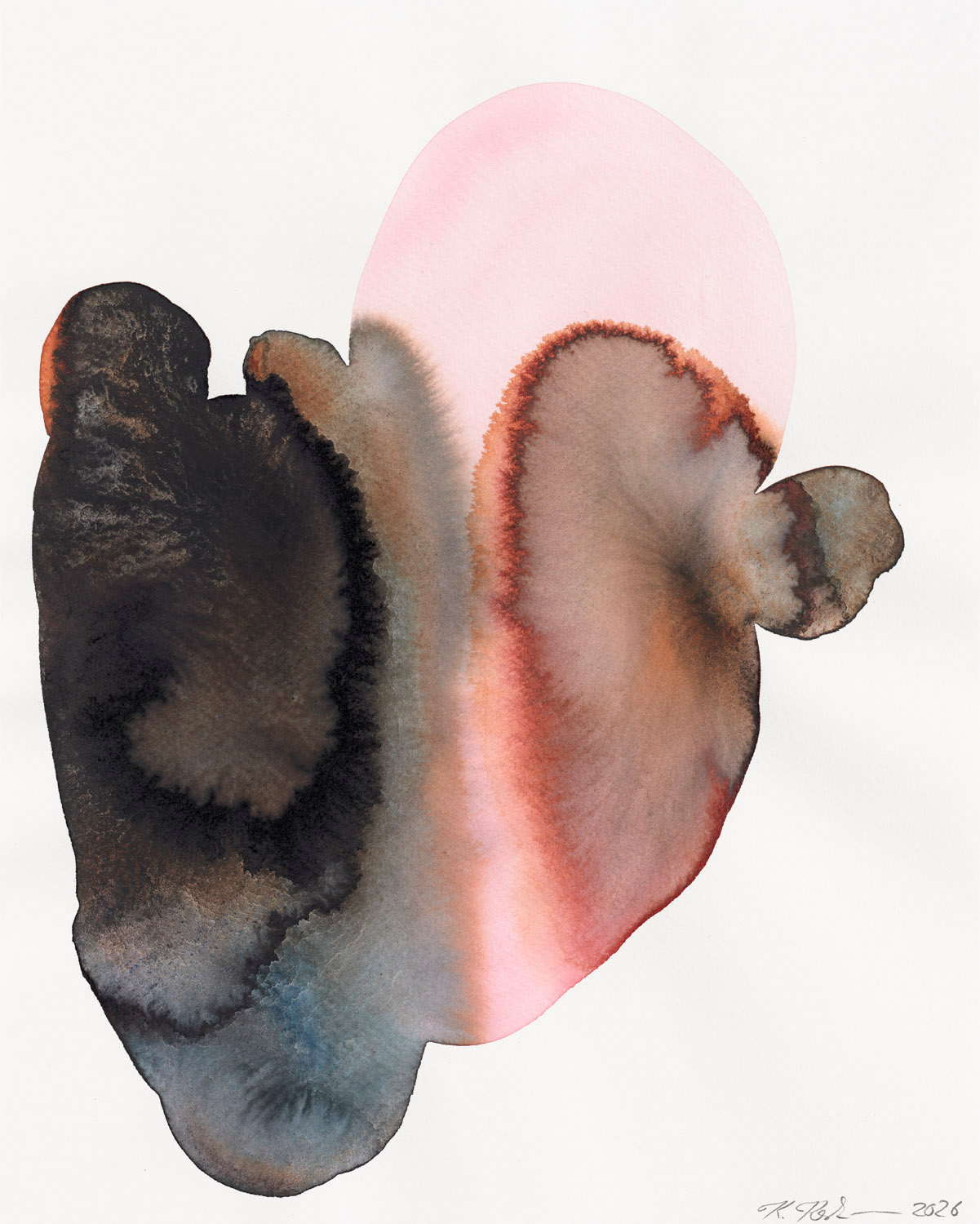
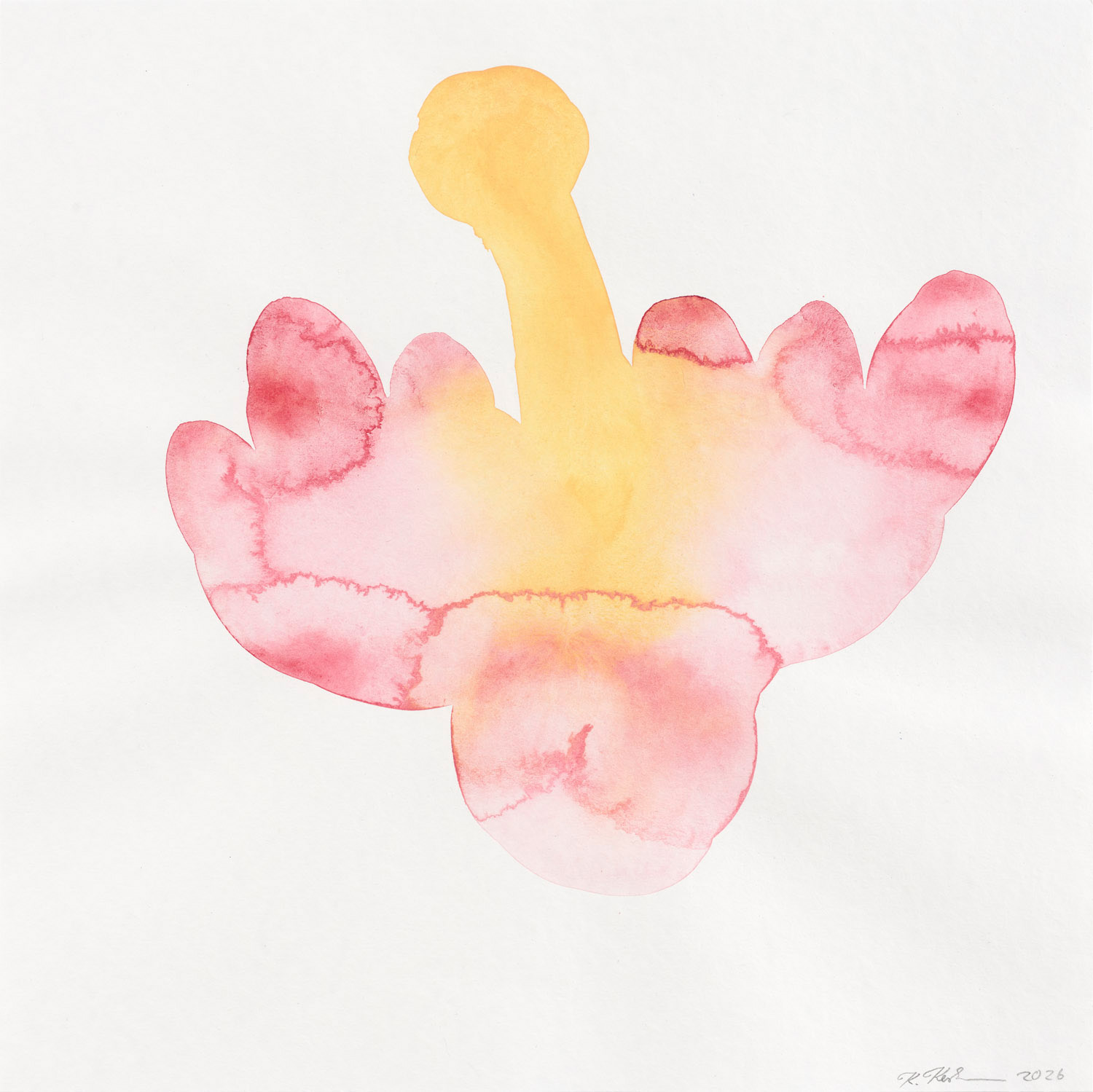
40 x 40 cm
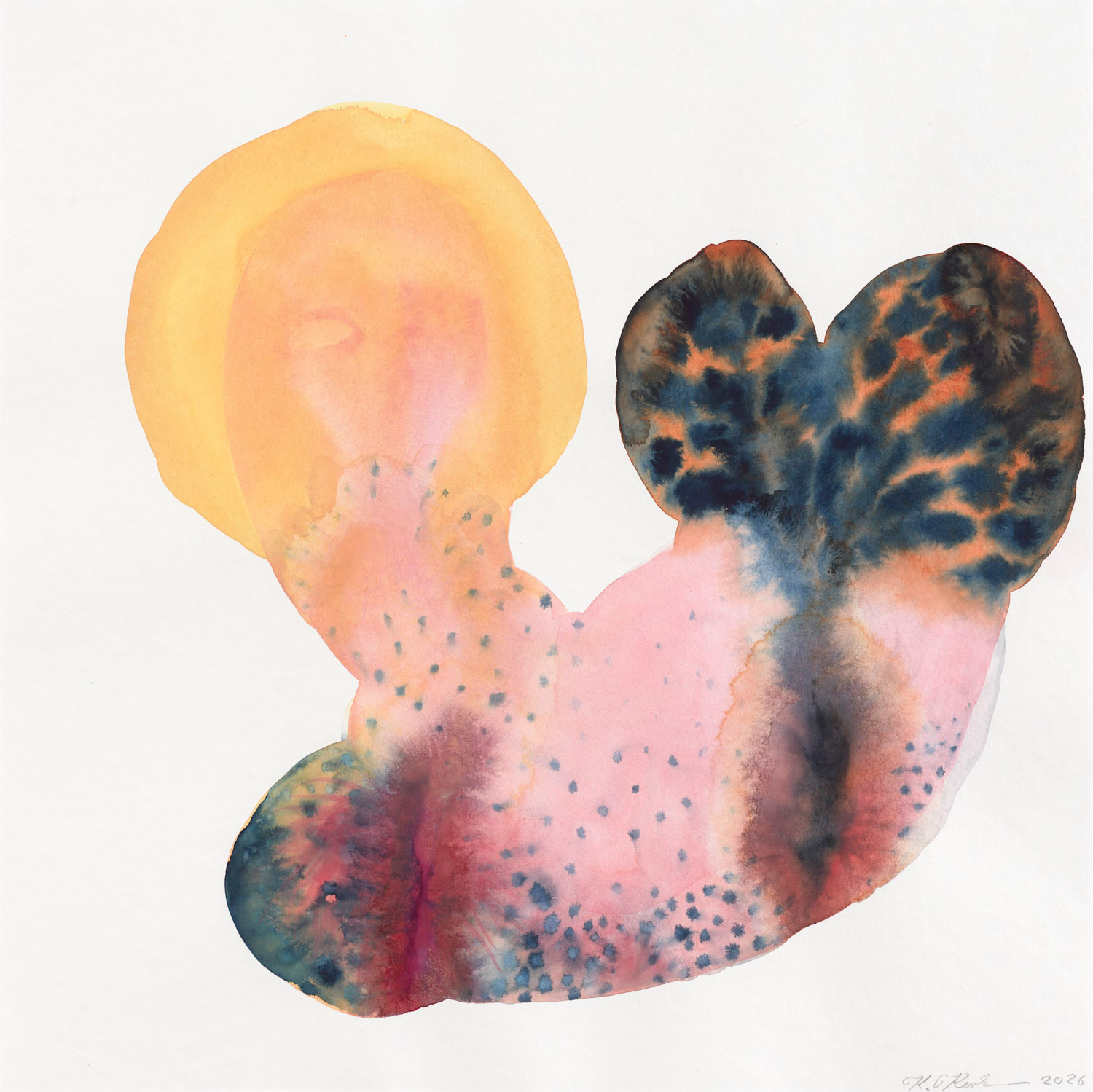
40 x 40 cm
Text von Frances Arnold, 2022
Wo sich Erfahrung und Imagination treffen
Die Arbeiten von Karin Kerkmann bewegen sich zwischen quasi erkennbaren Körperlandschaften, Lichtprojektionen architektonischer Kompositionen und rätselhaften amorphen Organismen und spielen an der Grenze von Wahrnehmung, Vorstellung und Konnotation.
Durch Fotografie, Installation und Malerei macht die Künstlerin die mentale Grenze zwischen unserer inneren Gefühls- und Erfahrungswelt und der äußeren, physischen, greifbaren, berührbaren und konkreten Welt sichtbar. Indem sie die Konventionen der Wahrnehmung – also der Verarbeitung von Informationen über die Welt in uns und um uns herum – durchbricht, erforscht die Künstlerin eine faszinierende visuelle Sprache, die in der Wirklichkeit verwurzelt ist, aber von den eigenen Annahmen, Erwartungen und Vorstellungen der Betrachter geprägt wird. Dabei deckt sie alternative Realitäten und erweiterte Möglichkeiten auf, während sie gleichzeitig die Modalitäten der visuellen Kommunikation hinterfragt.
Abstraktionen des menschlichen Körpers sind ein wiederkehrendes Thema in Kerkmanns Werk. In der Fotoserie fleischlich (2000) nehmen nicht identifizierte Körperteile die Gesamtheit der großformatigen Abzüge ein, gespiegelt und zusammengefügt wie durch ein Kaleidoskop betrachtet. Alle Nahaufnahmen von gefaltetem Fleisch, Sommersprossen und Haut sind verlockend vertraut und doch unmöglich zuzuordnen. Sie umschiffen die Grenzen der Bedeutung und bewegen sich vor dem geistigen Auge zwischen Erotik, Schönheit, Unsicherheit und mehr.
In der Installation INBETWEEN I (2002) bringt das Medium Licht noch mehr Unbestimmtheit und Unklarheit in das, was uns am vertrautesten ist – den menschlichen Körper. In einen dunklen Raum werden überdimensionale Bilder von fleischigen Körperteilen projiziert, die an medizinische Röntgenbilder oder Durchleuchtungen erinnern und von hellem Licht hinterleuchtet werden. Obwohl es fast unmöglich ist, sie im wörtlichen Sinne zu lesen, umfasst die Arbeit dennoch Konzepte, die mit Körperlichkeit und dem Körper verbunden sind, einschließlich Intimität und Wärme, dank des einladenden roten Scheins der Projektionen. Gleichzeitig sorgen die Größe und die Mehrdeutigkeit der Formen für Verwirrung und Unbehagen, da das Publikum bemüht ist, zu entschlüsseln, was genau es ist, das es sieht.
Indem sie Körperteile isoliert einfängt, unterbricht Kerkmann den Austausch zwischen Sehen, Verstehen und Sprache, entlarvt ihn und stellt ihn zur Disposition. Ein Beispiel ist INBETWEEN II (2002), das aus bewegten Projektionen einer menschlichen Zunge besteht. Ohne die erwartete Kulisse von Zähnen, Zahnfleisch und Mandeln ähnelt das muskulöse Organ einem Weichtier, das sich scheinbar autonom bewegt. Im Widerspruch dazu stehen die der Zunge innewohnenden körperlichen Konnotationen, die von Erotik bis hin zur Kommunikation reichen.
Obwohl Kerkmann im Körperlichen, Objektiven und Tatsächlichen verwurzelt ist, erforscht sie in ihren Arbeiten nicht nur die alternativen Möglichkeiten von Körpern, sondern auch von Räumen. In der brandenburgischen Gemeinde Cöthen sammelte die Künstlerin Fotografien der einzigartigen und auffälligsten architektonischen Merkmale einer von Karl-Friedrich Schinkel entworfenen neoklassizistischen Kirche aus dem neunzehnten Jahrhundert. Jahrhundert, die von Karl-Friedrich Schinkel entworfen wurde. Mit dem Schwerpunkt auf Fenstern und Türöffnungen, einschließlich der transitorischen Lichtmuster, die sie im Laufe des Tages werfen, entspricht es der Praxis von Kerkmann, dass sie diesen Zwischenräumen an der Grenze zwischen Innen und Außen besondere Aufmerksamkeit widmet. In der daraus resultierenden ortsspezifischen Installation Transition (2017) werden diese verschiedenen Elemente zu Dias zusammengefasst und in den Raum zurückprojiziert. Das Innere der Kirche wird nur mit seinen eigenen Bestandteilen neu konfiguriert, was sowohl seine Grenzen als auch seine Möglichkeiten vorübergehend erweitert und die Besucher dazu einlädt, den Raum neu wahrzunehmen.
In Kerkmanns Praxis werden Architektur und Körper durch das Medium der Lichtprojektion substanzlos gemacht: Sie bilden reales Fleisch, Wände, Fenster und Türen ab und entziehen sich dennoch der Berührung. Ihre Gemälde tun das Gegenteil: Strange Beings (2021) umfasst Aquarelle nebulöser Wesen, deren Form oder Nicht-Form nicht durch eine feste materielle Ähnlichkeit bestimmt wird, sondern durch die Spontaneität und Improvisation ihres Mediums und Prozesses. In einer gedämpften, begrenzten Palette von überwiegend Rosa-, Blau- und Brauntönen verleihen durchscheinende Schichten den Wesen eine diaphanische Qualität. So wie sich ihre frühen fotografischen Serien einer exakten Präzision entziehen, deuten diese gemalten Formen eine Vielzahl von Möglichkeiten an. Die tentakelartigen Gliedmaßen und Antennen, die aus den Formen herauswachsen, sich aufblähen oder strecken, könnten als Organismen unter dem Mikroskop, als Meeresbewohner, als Außerirdische oder als – durchgehen. Als organische, belebte Wesen, denen eine unheimliche Vertrautheit innewohnt, die mit unserem Wiedererkennungswert spielt, schweben sie an der Schnittstelle zwischen Vorstellung und Wirklichkeit.
Kerkmann geht es darum, das Unsichtbare sichtbar zu machen: die Konvergenz zwischen Wissen, Erfahrung und Tatsachen und die unendlichen Möglichkeiten, die das geistige Auge hervorruft. Der Effekt ist entwaffnend: Trotz ihrer scheinbaren Verständlichkeit necken, umschiffen und umgehen ihre Innenräume, Körper und amorphen Kreaturen die Klärung und sondieren so Prozesse des Verstehens und der Wahrnehmung.
Frances Arnold
TEXT from FRANCES ARNOLD, 2022
Where Experience and Imagination Meet, 2022
Spanning quasi-recognizable bodyscapes; light projections of architectural composites; and mysterious amorphous organisms, the artwork of Karin Kerkmann plays at the edge of cognition, conjecture, and connotation.
Through photography, installation, and painting, the artist makes visible the mental boundary be-tween our inner world of feelings and experience, and the outer: the physical, tangible, touchable, and concrete. By disrupting conventions of perception — that is, the processing of information about the world both within and around us — the artist probes an intriguing visual language that is rooted in actuality, yet characterized by viewers’ own assumptions, expectations, and imagination. In doing so, she uncovers alternate realities and expanded possibilities, all the while questioning modes of visual communication.
Abstractions of the human body are a recurring subject in Kerkmann’s work. In the photographic series fleischlich (2000), unidentified body parts occupy the entirety of large-scale prints, mirrored and conjoined as if viewed through a kaleidoscope. All close-up images of folded flesh, freckles, and skin they are tantalizingly familiar yet impossible to place, skirting the edges of meaning, and in the mind’s eye flitting between eroticism, beauty, uncertainty, and more.
In installation piece, INBETWEEN I (2002), the medium of light instils further elusiveness and ambi-guity into that with which we are most intimate — the human body. Suggestive of medical x-rays or transilluminations, oversized images of fleshy body parts backlit by bright light are projected into a dark room. Though all but impossible to read in a literal sense, the work nevertheless embraces concepts tied to physicality and the body including intimacy and warmth, thanks to the projections’ inviting red glow. At the same time, the shapes’ size and ambiguity spark confusion and unease, as their audience strains to decipher exactly what it is they are seeing.
By capturing body parts in isolation, Kerkmann disrupts, exposes, and throws open the interchange between seeing, understanding, and language. Take INBETWEEN II (2002), which comprises moving projections of a human tongue. Stripped of its expected backdrop of teeth, gums, and tonsils the muscular organ resembles a mollusc, animated in seemingly autonomous movement. At odds are the tongue’s intrinsic corporeal connotations that span everything from eroticism through to com-munication.
Although rooted in the physical, the objective, and the actual, Kerkmann’s work explores alterna-tive possibilities of not just bodies, but also spaces. In the municipality of Cöthen, Brandenburg, the artist amassed photographs of the unique and most striking architectural features of a nineteenth-century neoclassical church designed by Karl-Friedrich Schinkel. With a focus on windows and doorways, including the transitory light patterns that they cast throughout the day, it is in keeping with Kerkmann’s practice that she pays particular attention to these in-between places at the border of inside and out. In the resultant site-specific installation, Transition (2017), these various elements are consolidated into slides and projected back into the space. Using only its own components, the interior of the church is reconfigured, temporarily expanding both its peripheries and possibilities, and inviting its visitors to perceive the space anew.
Across Kerkmann’s practice, architecture and the body are rendered insubstantial through the medium of light projection: depicting real flesh, walls, windows, and doors, they nevertheless elude touch. Her paintings do the opposite: Strange Beings (2021) comprises aquarelle works of nebulous entities, whose shape or non-shape is dictated not by fixed material likeness, but by the spontaneity and improvisation of their medium and process. In a muted, restricted palette of predominantly pinks, blues, and browns, translucent layers lend the beings a diaphanous quality. Just as her early photographic series evade pinpoint precision, these painted forms hint at multiple possibilities. All tentacle-like limbs and antennae offshoots of shapes distended, inflated, or stretched, they could pass as organisms under a microscope, or sea creatures, or aliens, or —. Appearing as organic, animate beings, each imbued with an uncanny familiarity that plays on our sense of recogni-tion, they float around the meeting point between imagination and reality.
Kerkmann is concerned with making the invisible, visible: the convergence between knowledge, experience, and fact; and the infinite possibilities conjured by the mind’s eye. The effect is disarming: despite their ostensible intelligibility, her interiors, bodies, and amorphous creatures tease, swerve and sidestep clarification, and in doing so, probe processes of understanding and perception.
Frances Arnold
Come to your senses, 2004- 2015


Transition, 2021


2020

40 x 40 cm, Aquarell

30 x 30 cm, Aquarell

30 x 30 cm, Aquarell

30 x 30 cm, Aquarell

30 x 30 cm, Aquarell

30 x 30 cm, Aquarell

30 x 30 cm, Aquarell

40 x 40 cm, Aquarell

30 x 30 cm, Aquarell

30 x 30 cm, Aquarell

40 x 40 cm, Aquarell

40 x 40 cm, Aquarell

40 x 40 cm, Aquarell

40 x 40 cm, Aquarell

40 x 40 cm, Aquarell

40 x 40 cm, Aquarell

40 x 40 cm, Aquarell

40 x 40 cm, Aquarell

30 x 30 cm, Aquarell

40 x 40 cm, Aquarell

40 x 40 cm, Aquarell
2021

40 x 40 cm, Aquarell

40 x 40 cm, Aquarell

40 x 40 cm, Aquarell

30 x 30 cm, Aquarell

40 x 40 cm, Aquarell

30 x 30 cm, Aquarell

30 x 30 cm, Aquarell

40 x 40 cm, Aquarell

40 x 40 cm, Aquarell

30 x 30 cm, Aquarell

40 x 40 cm, Aquarell

30 x 30 cm, Aquarell

30 x 30 cm, Aquarell

30 x 30 cm, Aquarell

30 x 30 cm, Aquarell

40 x 40 cm, Aquarell

30 x 30 cm, Aquarell

40 x 40 cm, Aquarell

30 x 30 cm, Aquarell

30 x 30 cm, Aquarell

30 x 30 cm, Aquarell

40 x 40 cm, Aquarell

40 x 40 cm, Aquarell

30 x 30 cm, Aquarell

30 x 30 cm, Aquarell

40 x 40 cm, Aquarell

30 x 30 cm, Aquarell

30 x 30 cm, Aquarell

40 x 40 cm, Aquarell

40 x 40 cm, Aquarell
Territorien, 2017


Transition II, 2019

